Inactivation of Dried, Heat-Tolerant Salmonella in Chocolate Production
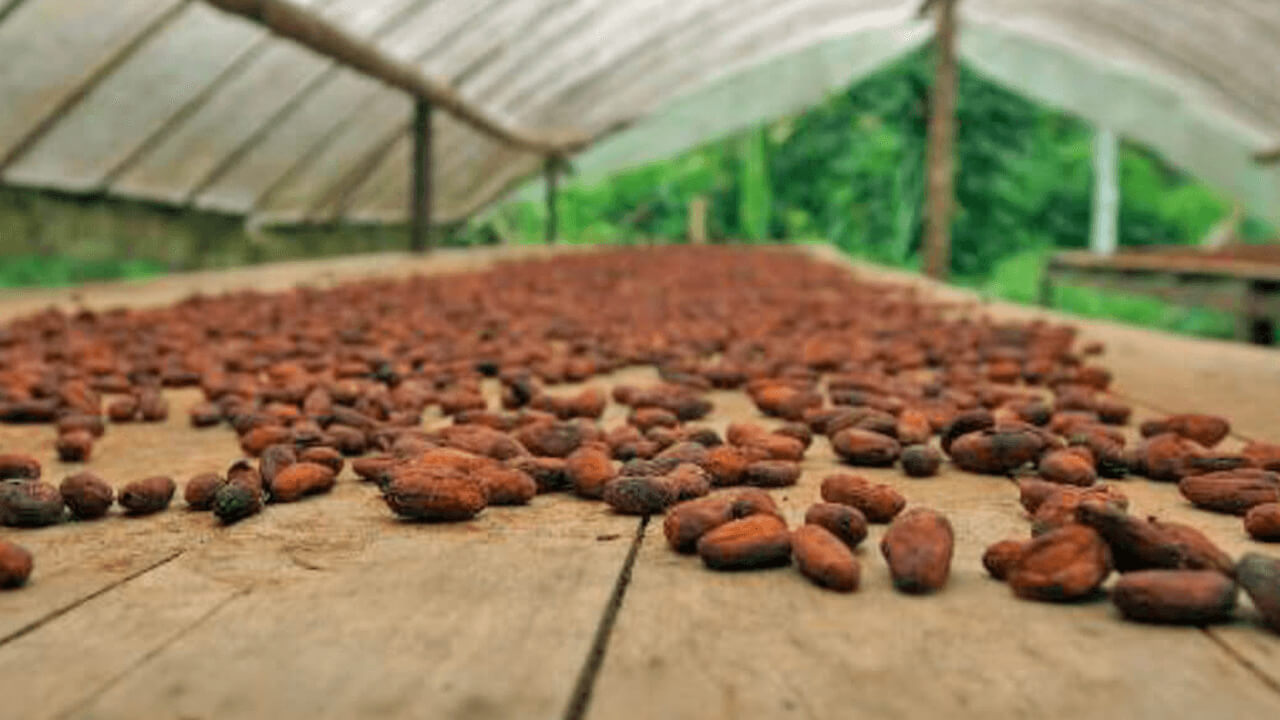
The majority of foodborne illness outbreaks associated with products with low moisture content are caused by Salmonella contamination.
The ability of Salmonella to develop cross-protection against heat through dehydration is linked to specific, genetically determined stress responses. Interestingly, the Salmonella Oranienburg strain, which was involved in a 2001 outbreak linked to chocolate in Germany, proved to be more heat-resistant than seven other Salmonella strains on ground cocoa beans. However, very little data is currently available on the relationship between the drying of Salmonella and the development of increased heat tolerance depending on the food matrix. Salmonella contamination of chocolate products can occur through contaminated, dry ingredients—such as cocoa mass, milk powder, or nuts—used in chocolate production. Salmonella contamination of cocoa beans often occurs during the drying phase, primarily due to animal feces in the producing countries. The drying of food is also associated with an increase in the heat tolerance of Salmonella and other bacteria. In this context, it has been shown that, under certain circumstances, Salmonella can survive the high-heat processes involved in cocoa mass and chocolate production (e.g., roasting and conching) and can persist on chocolate for several weeks to months. It is believed that this is partly related to the dehydration of Salmonella on the low-moisture cocoa beans and to the development of a cross-protection against heat.
Link
Download