Biochemistry of Nutrition
Cell Culture-Based Models

Models for Assessing Digestion and Nutrient Function
Nutritional biochemistry examines the interaction of alternative proteins with the human digestive system
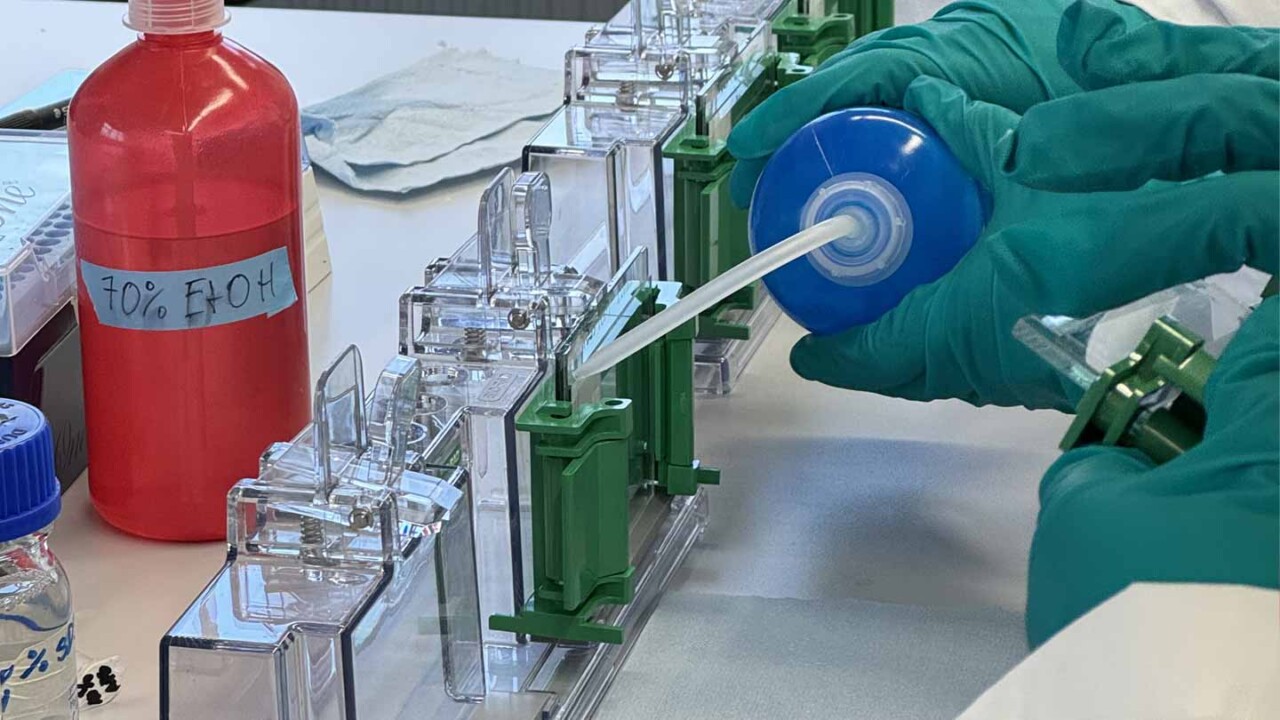
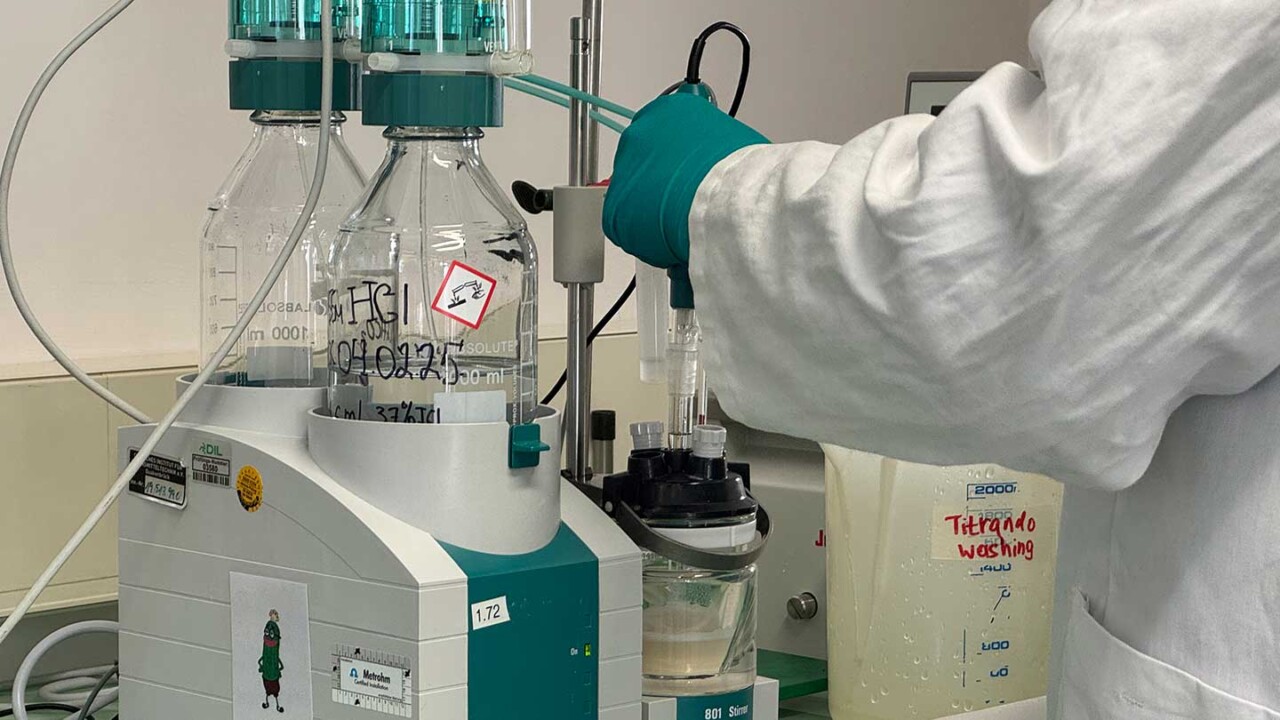
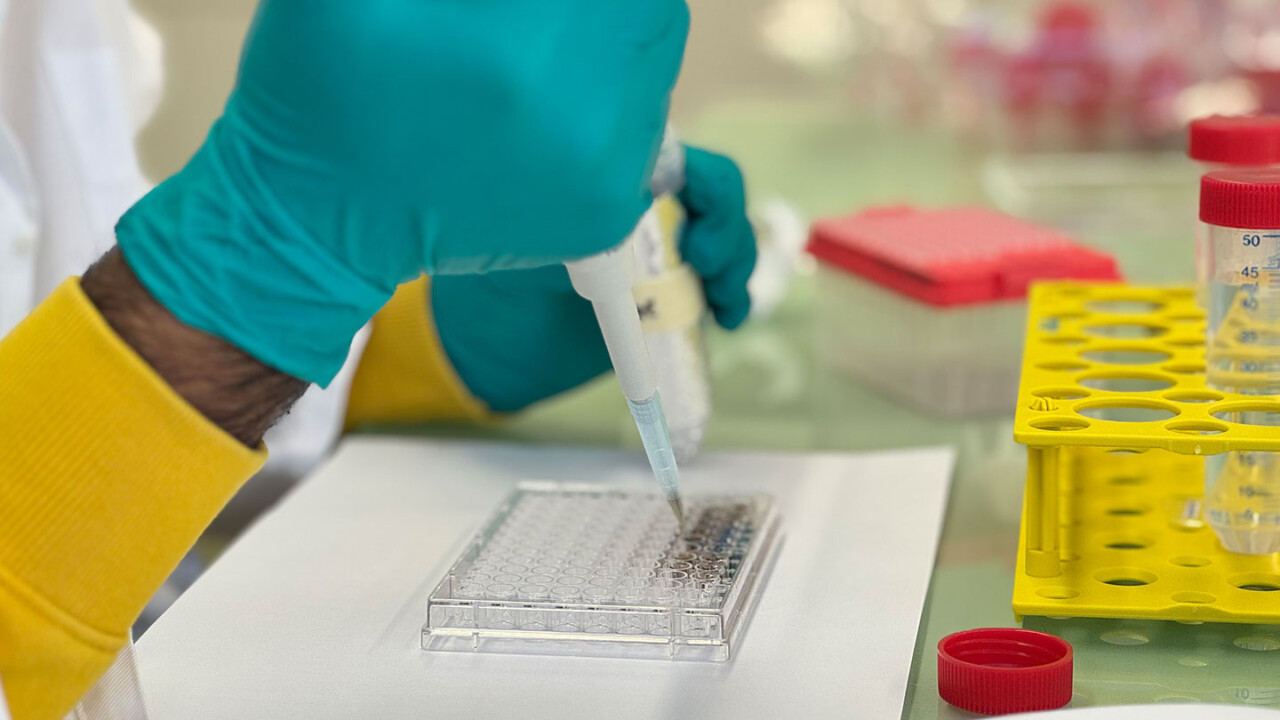
One area of focus is investigating how processing methods—such as texturization—affect the digestion, absorption, and functionality of nutrients and bioactive substances. To this end, modern in vitro digestion models and cell culture systems are used that simulate the conditions in the human intestine. These include both two-dimensional models (e.g., Caco2, HT29) as well as three-dimensional cell culture models (e.g., organoids), which can be used to investigate, among other things, the integrity of the intestinal barrier, nutrient absorption, and immunological responses.
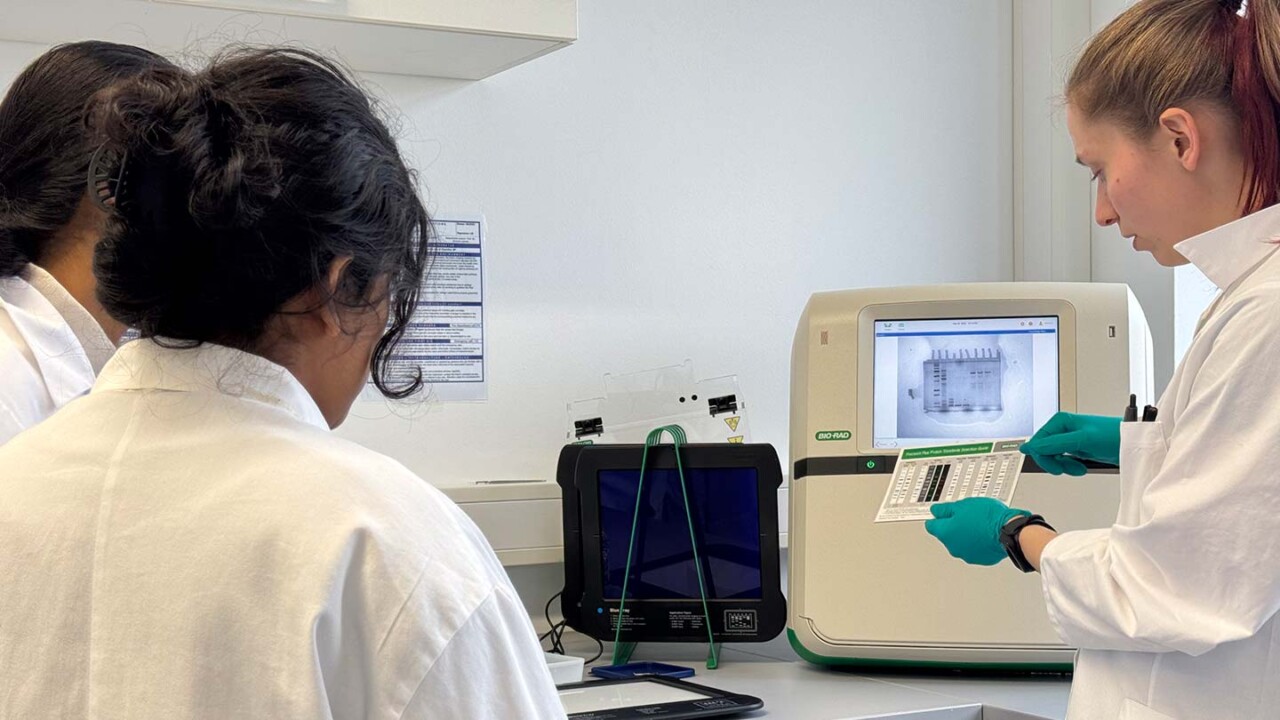
Methods such as TEER measurements, FITC-dextran assays, and the analysis of tight junction proteins are used to evaluate intestinal barrier function. Other areas of investigation include bacterial translocation and interactions with the intestinal microbiome. These are supplemented by molecular biological analyses, for example, to characterize pathophysiological signaling pathways such as NF-κB, endoplasmic reticulum (ER) stress, or autophagy.

Our research begins in the lab and ends with people: We study how new foods affect health.
Want to learn more about our research department?

Characterization of Nanoparticles from Food Byproducts
Another key area of research focuses on the characterization of nanoparticles and extracellular vesicles isolated from food or food processing by-products. These structures are being studied as potential delivery systems for bioactive compounds. Methods such as ultracentrifugation and nanoparticle tracking are used for isolation and analysis, among others.
The research activities combine nutritional science questions with molecular biology and technological approaches. The goal is to provide scientifically sound insights into nutritional relationships and to identify potential applications for a health-oriented diet.
Our Research Methods
- Analysis of physiological interactions between alternative protein sources (e.g., plant-based meat substitutes) and the human digestive system
- Investigation of the influence of processing methods (e.g., texturization) on the digestion, absorption, and functionality of nutrients and bioactive substances
- Use of modern in vitro digestion models to simulate intestinal conditions
- Cell culture analyses in 2D models (e.g., Caco-2, HT29) and 3D models (e.g., organoids)
- Assessment of intestinal barrier integrity, nutrient absorption, and immunological responses
- Evaluation of intestinal barrier function using TEER measurements, FITC-dextran assays, and tight junction protein analyses
- Study of Bacterial Translocation and Interactions with the Intestinal Microbiome
- Molecular biology analyses to characterize pathophysiological signaling pathways (e.g., NF-κB, endoplasmic reticulum stress, autophagy)
- Characterization of Nanoparticles and Extracellular Vesicles from Food and Food Processing Byproducts
- Isolation and Analysis of Nanostructures Using, Among Other Methods, Ultracentrifugation and Nanoparticle Tracking
- Identification of Potential Delivery Systems for Bioactive Ingredients
- Deriving scientifically sound findings on nutritional relationships
- Identification of Potential Areas of Application for Health-Oriented Nutrition

Your Contact Person
Prof. Dr. Simone Lipinski
Head of the Department of Nutritional Biochemistry