Center for Food Physics
Physically Evaluating Raw Materials

Physical Analysis of Structure, Function, and Quality
Physical analysis enables the characterization of the physical properties of materials and material systems
The Center for Food Physics (ZLP) provides the right answers to these and many other questions: Do the viscosity or specific heat capacity of a particular substance or system of substances play a role in food processing technology? And how does the choice of raw materials influence a product’s quality? Physical analysis enables the characterization of the physical properties of substances and material systems, which arise from their structural characteristics and are thus the key to solving complex problems.
The work of the Center for Food Physics (ZLP) at DIL is based on expert knowledge, modern measurement and analysis methods, and customized analytical approaches. Drawing on intensive research, the division’s mission is to uncover the relationships between structure and function. The ZLP investigates these relationships and, using state-of-the-art equipment, applies its findings on structure-forming mechanisms to process engineering.

At ZLP, we combine an understanding of structure, precise measurements, and practical functionality for modern food processing.
Want to learn more about our research department?
Structural and Rheological Analysis, Plus Particle and Interfacial Measurement
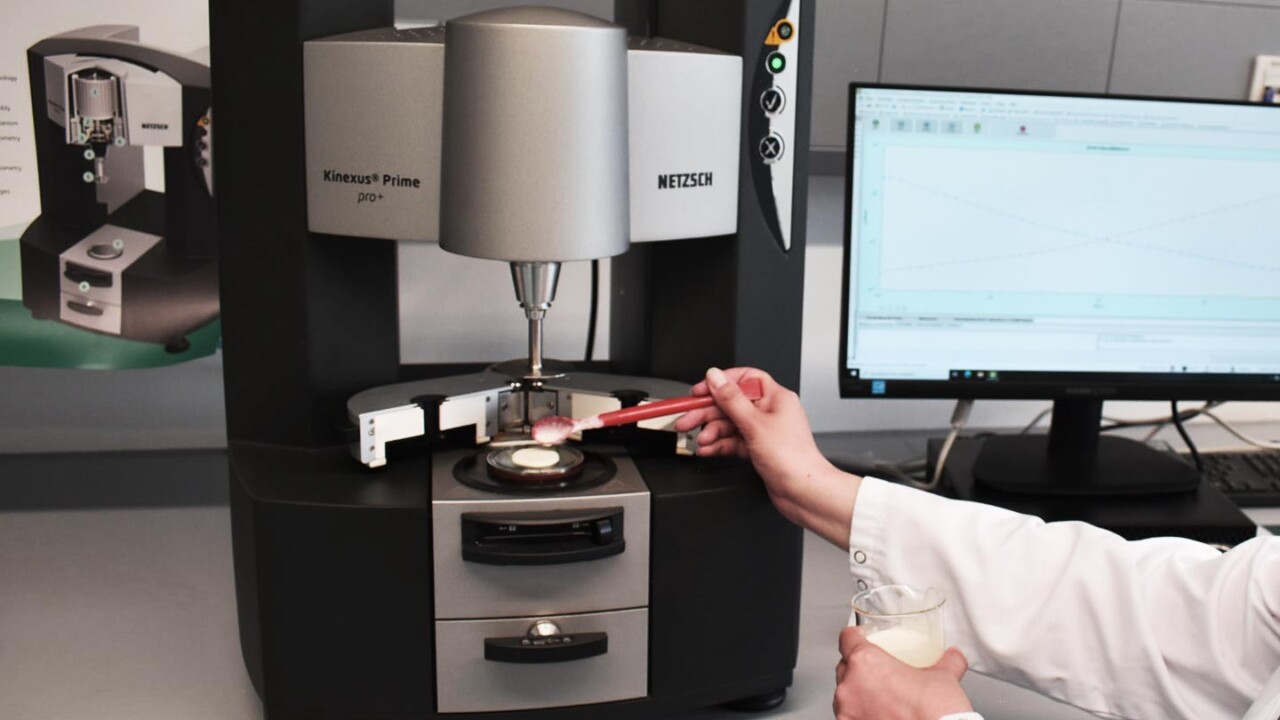
The ZLP’s areas of expertise are divided into five subject areas. In addition to characterizing structures and rheological properties, the division also possesses extensive expertise in particle measurement technology, tensiometry, and thermal analysis. The ZLP offers a wide range of research services.
Our Service Description
Particle Characterization and Size Analysis
- Particle Size Distribution (Laser Diffraction)
- Particle Size Distribution, Agglomeration (Laser Diffraction)
- Particle Size Distribution (Image Analysis)
- Particle Size Distribution (Air Bubbles/Ice Crystals in Ice Cream) (Image Analysis)
- Specific Surface Area (Laser Diffraction)
- Sieve Analysis (Dry)
Optical microscopy
- Optical Microscopy/Digital Microscopy, Photo
- Standard Preparation
- Special preparation (microtome section)
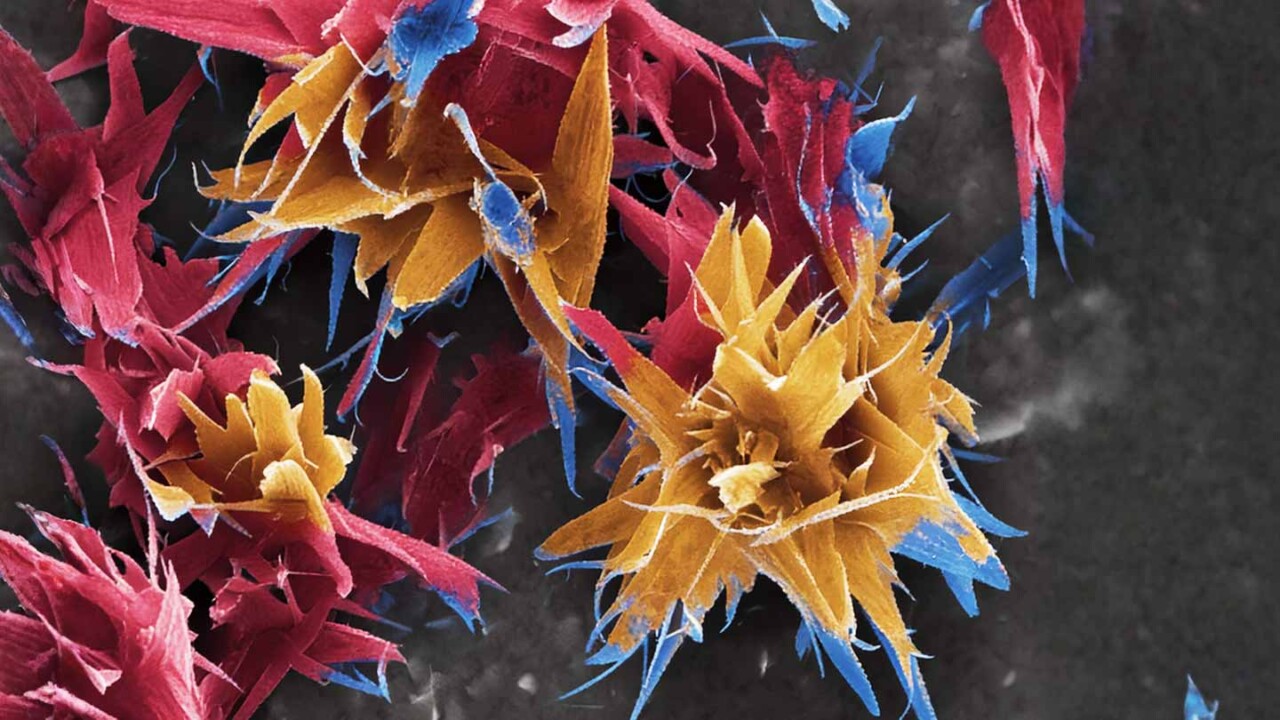
Electron microscopy
- Electron microscopy
- REM (Default)
- CRYO-REM
- EDX (Elemental Analysis)
Fluorescence microscopy
Atomic Force Microscopy
- Flow Function/Viscosity Function (Dynamic Viscosity)
- Yield strength
- Viscosity (temperature-dependent up to 95°C) (Temperature Profile)
- Oscillation Test
- Kinematic viscosity (plus density)
- Torque (apparent viscosity) in a turbulent flow field
e.g., temperature-controlled starch gelatinization, fat crystallization
, or powder characterization - >, 250 N Strength Test
- Kramer’s Scherzelle
- Fracture Strength/Compressive Strength
- Elasticity
- Bite/Cut Resistance
- Tensile Strength
- Gel Strength (Texture Analyzer)
- Bloom Value (Complete) (Texture Analyzer)
- Specific Heat Capacity (cp) (DSC)
- Thermal Conductivity (per temperature, plus density and cp)
- Melting Curve (DSC)
- Freezing Point Depression (DSC)
- Glass Transition Temperature (DSC)
- Enthalpy of Conversion (DSC)
- Rising melting point
- Dew point
- Buoyancy (in liquids)
- Displacement (solid granules)
- pycnometric (liquids)
- pycnometric (powder)
- volumetric (solid)
- Bulk Density (gravimetric)
- Compaction Density
- Vacuole volume
- Color Measurement Without Sample Preparation
- Color Measurement with Sample Preparation
- aW value (water activity)
- Interfacial tension (static)
- Surface tension (dynamic) plus density (pycnometric)
- Surface Energy (Powder)
- Contact Angle [Surfaces] (plus sample preparation, if applicable)
- Oxidation Stability (Ranzimat)
- Particle Charge
- Isoelectric point
- Film thickness
- Film Density (Buoyancy Method)
- Tensile Test
- Weight per unit area
- Coefficient of static and kinetic friction
- Falling Number, Wet Gluten, Dry Gluten
- Dry matter (gravimetric)
- Water Content (Karl Fischer)
- Percentage of soluble protein
- Determination of CO2 Formation in Baking Powder (Tilmans)
- Refractive Index (refractometric)
- Electrical Conductivity
- Emulsifying capacity
- Emulsion Type (with photo)
- Extractable fat (milk powder, cream) plus fat content determination
- Fixed-fat content (FFA) at a given temperature (NMR)
- Freeze-drying
- Storage Test (Temperature and Duration)
- Storage Test (Temperature, Relative Humidity, and Storage Duration)
- Storage Test (Temperature, Relative Humidity, and Storage Duration with UV Exposure)
- pH value
- Angle of repose
- Serum, Water, and Fat Immobilization
- Centrifugation

Your Contact Person
Xiaoai Guo, Ph.D. (Eng.)
Director of the Center for Food Physics