Pet Food Technology
Sustainable Animal Nutrition

Pet Food Technology Through the Use of Alternative Protein Sources
From concept to formulation, we develop pet food solutions that ensure quality and conserve resources
The Pet Food Technology division combines the institute’s expertise in process engineering with comprehensive know-how regarding the functional properties of raw materials and analytical capabilities. This enables the targeted development of pet food formulations tailored to the nutritional needs of dogs, cats, and other pets. In addition, DIL’s in-house custom machinery division enables the implementation of novel equipment designs, ensuring that innovative ideas can be technically realized.
Current research efforts are focused on the use of alternative protein sources for the production of dog and cat food. Our studies focus in particular on the use of insect-based raw materials, which represent an innovative and promising approach to alleviating raw material shortages and rising cost pressures. Thanks to efficient breeding, insect proteins could soon become a resource-efficient supplement to existing animal- and plant-based formulations and make pet nutrition more sustainable in the long term.

Our process and product innovations in pet food manufacturing ensure a supply of high-protein raw materials and make pet nutrition sustainable and future-proof.
Want to learn more about our pet food production?
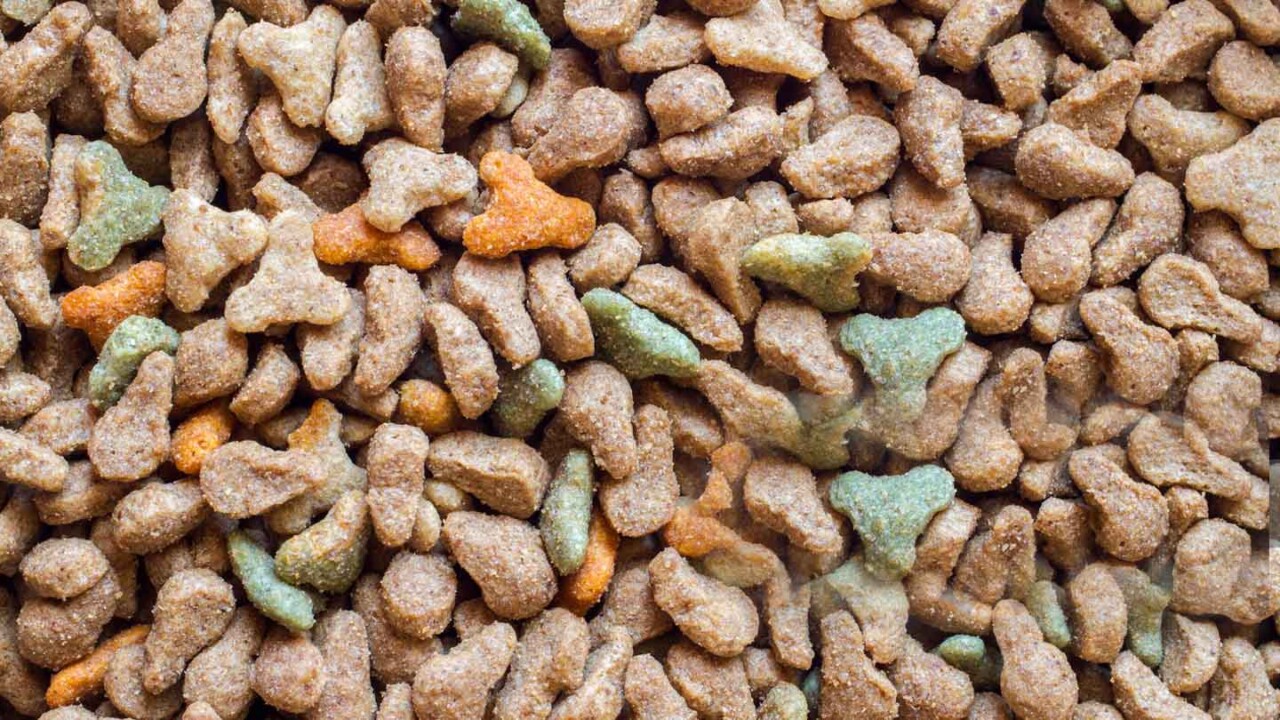
Our extrusion technology allows us to specifically optimize pet food in terms of texture and function
A particular focus is on extrusion technology, which plays a central role in the development of pet food. By combining it with alternative protein sources, products with new textures and functionalities can be created that meet the needs of pet owners and the industry. In addition, encapsulation technologies such as cold extrusion are used to ensure that feed additives—such as vitamins, essential oils, or enzymes—are effectively utilized in animal nutrition.
Activities in the field of pet food technology are set to be further expanded in the coming years. The goal is to work with industry partners to develop solutions tailored to specific needs that enable efficient and sustainable pet food production. In this way, the department makes an important contribution to the development of forward-looking processes and innovative products for pet food and animal nutrition as a whole.
Measuring the processing and mixing accuracy of compound feed, mineral feed, and pet food plants in accordance with EU Regulation (EC) No. 183/2005, Annex II, is one of the services offered by DIL Technologie GmbH. Since the introduction of the EU regulation, DIL has inspected and evaluated more than 1,700 mixers and mixing plants in Germany and neighboring countries. It is important for operators of mixing plants to obtain information about the operational accuracy of their production facilities, particularly to assess the risk of contamination.
Our Services
- Development of new product concepts for the sustainable supply of high-quality pet food
- Use of Alternative Protein Sources in Dog and Cat Food
- Research and Evaluation of Insect-Based Raw Materials to Reduce Raw Material Shortages and Cost Pressure
- Incorporating Insect Proteins as a Resource-Efficient Supplement to Animal- and Plant-Based Formulations
- Combining process engineering expertise with knowledge of raw material functionality and analytical methods
- Targeted Development of Feed Formulations
- Adapting recipes to the nutritional needs of dogs, cats, and other pets
- Development of products based on modern extrusion technology
- Combining extrusion with alternative proteins to create new textures and functionalities
- Focus on the needs of livestock owners and the industry
- Use of encapsulation technologies such as cold extrusion
- Targeted utilization of additives in animal feed, such as vitamins, essential oils, and enzymes
- Joint development of needs-based solutions with industry partners
- Expansion of activities to support efficient and sustainable pet food production
- Contribution to forward-looking processes and innovative products for pet food and animal nutrition
- When adding microcomponents and additives (e.g., an addition concentration of 10 mg/kg—which corresponds to a mixing ratio of 1:100,000) after the standard mixing times
- Determining the tendency to segregate during transport from the mixer to the loading area
- Detection of contamination at various points in the mixing plant (e.g., mixer, buffer tank, silo, bagging/loading)
- Preparation of a report on mixing accuracy, compliance with target values, segregation, and contamination of the production facility (including submission to the relevant feed regulatory authority by the client)