Process Engineering
Functional Ingredients

Process Engineering for Functional Ingredients and New Product Structures
The Food Processing Engineering department at DIL conducts research and develops technologies for sustainable, resource-efficient, and nutritionally optimized foods
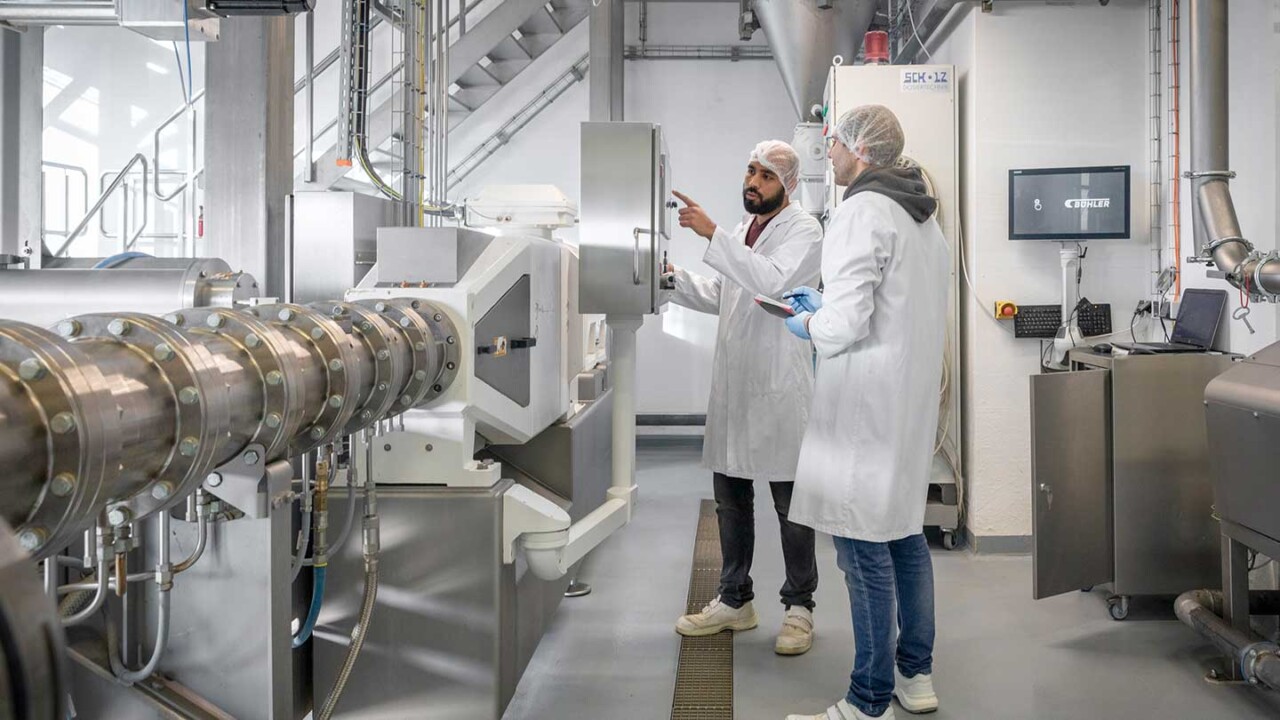
Food processing technology at the DIL focuses on the development of innovative processes that transform raw materials into functional ingredients and structured food products using mechanical, thermal, or electrical methods. The goal is to develop technologies that combine sustainability, resource efficiency, and improved nutritional quality, thereby opening up new possibilities for food production. Process engineering plays a central role in the targeted design of texture, functionality, and product quality. Structures can be broken down to extract valuable components such as proteins or dietary fiber. Similarly, structures can be specifically rebuilt using processes such as extrusion, emulsification, or encapsulation.
This results in process solutions that enable a wide range of applications in food production and allow for flexible adaptation to new raw materials and requirements. Our research focuses on dry fractionation and extrusion. In dry fractionation, legumes, oilseeds, and grains are separated into functional protein concentrates and a high-fiber fraction. The process is particularly resource-efficient and preserves the original functionality of the ingredients.
In the field of extrusion, we are investigating the targeted creation of textures and developing processes for the production of meat alternatives, snacks, cereals, and textured vegetable protein (TVP). In addition, we are researching the encapsulation of functional ingredients to increase their stability, control their release, or integrate them specifically into food matrices.

Process engineering at the DIL opens up new possibilities for food production through mechanical, thermal, and electrical processes.
Want to learn more about our research department?
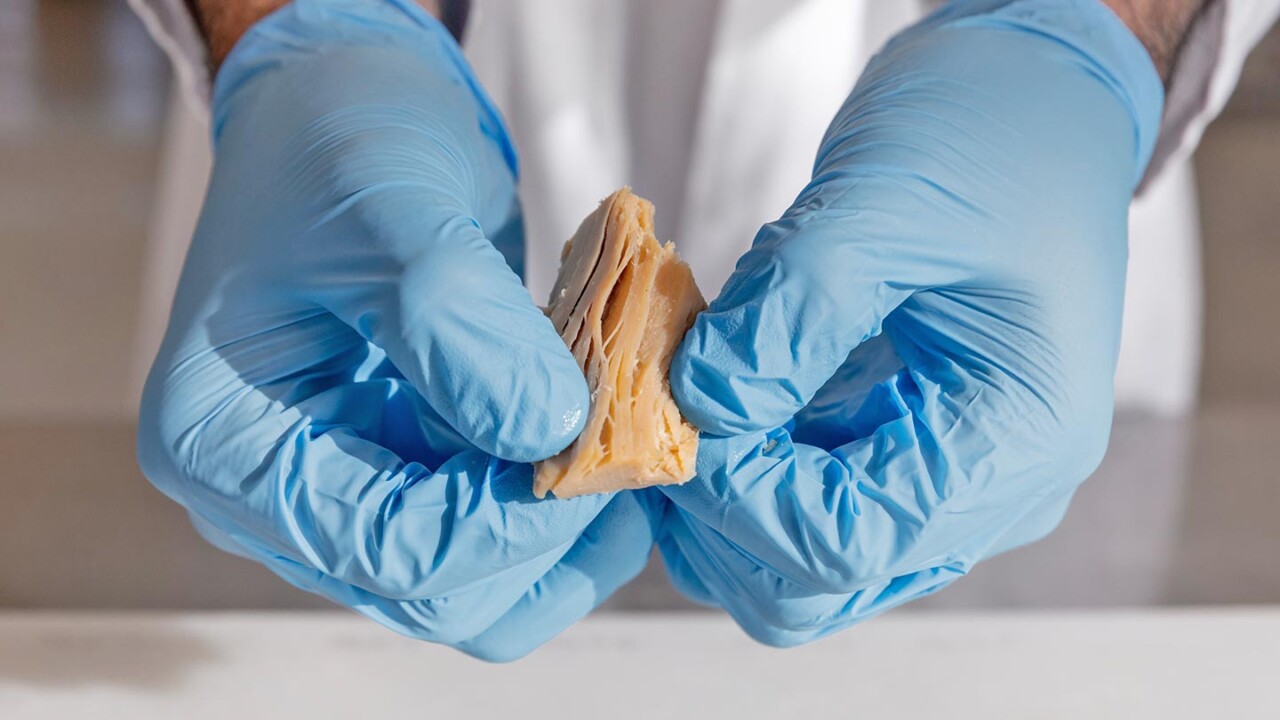
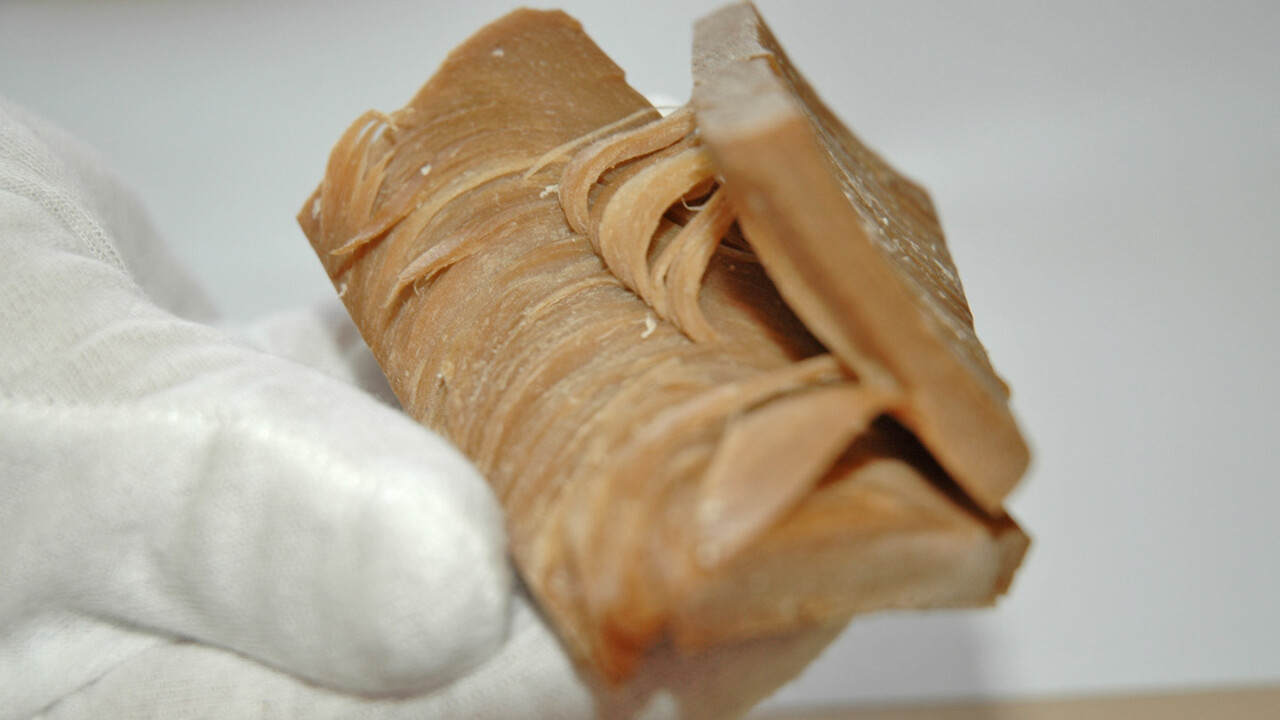
Plant-Based Protein Processing, Encapsulation, and 3D Printing: Scalable Solutions for a Sustainable Food System
We place a special emphasis on the processing of plant-based proteins and the reduction of antinutritional substances in order to fully harness the potential of these raw materials. In addition, we are exploring encapsulation technologies that protect sensitive ingredients and release them in a controlled manner, as well as 3D printing processes that open up new avenues for product development and process design. Our research covers the entire innovation chain—from basic research to pilot-scale applications. To this end, we have a state-of-the-art machine park that allows us to test and optimize processes under real-world conditions and scale them up for industrial application.
The department sees itself as an interface between materials science and applied engineering. Our projects are primarily pre-competitive and are carried out in close collaboration with industrial companies and scientific institutions. These collaborations accelerate knowledge transfer and make us a reliable research partner for companies, startups, and institutes that wish to develop and test new processes together with us. Through this interdisciplinary approach, food processing engineering contributes to the development of processes that enable a more efficient, resource-conserving, and sustainable food system.
Our Research Methods
- Development of innovative processes for converting raw materials into functional ingredients and structured products
- Use of mechanical, thermal, and electrical methods
- Focus on sustainability, resource efficiency, and improved nutritional value
- Breaking down structures to extract valuable components (e.g., proteins, dietary fiber)
- Development of new product structures through extrusion, emulsification, and encapsulation
- Targeted Design of Texture, Functionality, and Quality
- Solvent-Free Processing of Legumes, Oilseeds, and Grains
- Production of Functional Protein Concentrates with High Resource Efficiency
- High degree of preservation of the raw materials’ original functionality
- Research and Development of Targeted Texture Generation
- Development of meat substitutes, snacks, cereals, and textured ingredients
- Processing of plant-based proteins, including the reduction of antinutritional substances
- Protection of sensitive ingredients during processing and storage
- Controlled release (e.g., for functionality and efficacy)
- Development of Application-Specific Encapsulation Solutions
- New Approaches to Product Development and Process Design
- Testing of customized structures and formulations
- Support for Rapid Prototyping
- Coverage of the innovation chain, from basic research to pilot scale
- Practical testing and process optimization using state-of-the-art machinery
- Scaling for Industrial Applications
- The intersection of materials science and applied engineering
- Pre-competitive projects with industry and research institutions
- Knowledge Transfer and Development Partnerships (Companies, Startups, Institutes)
Current Research Projects
| Projektbezeichnung | Projekttitel | Projektende |
|---|---|---|
| Trockene Aufbereitung von Pflanzenproteinen | Einsatz trockener Trennverfahren zur Herstellung von funktionellen proteinangereicherten Pulvern aus Hülsenfrüchten mit Fokus auf Vermahlung und triboelektrische Separationstechnologie | 01.03.2026 |
| LINOVIT | Innovative Ansätze zum Umgang mit qualitätsbildenden und qualitätsmindernden Inhaltsstoffen von Lein und dessen Verarbeitungsprodukten mit dem Fokus auf der Reduktion von Blausäure | 01.06.2024 |
| LuproCess | Ressourceneffiziente Erzeugung hochwertiger Proteine und Fasern aus Schmalblättrigen Bitterlupinen für die (vegane) Humanernährung | 01.10.2026 |
| LuproCess | Resource-Efficient Production of High-Quality Proteins and Fibers from Narrow-Leaved Bitter Lupins for (Vegan) Human Nutrition | 01.10.2026 |
| LINOVIT | Innovative Approaches to Managing Quality-Enhancing and Quality-Diminishing Components in Flax and Its Processed Products, with a Focus on Reducing Hydrocyanic Acid | 01.06.2024 |
| Dry Processing of Plant Proteins | Application of Dry Separation Methods for the Production of Functional Protein-Enriched Powders from Legumes, with a Focus on Grinding and Triboelectric Separation Technology | 01.03.2026 |