Advanced Technologies
Scaling Processes for Industrial Use

Advanced Technologies Brings Innovations to an Industrial Scale
Process Technology Innovations for Efficient and Scalable Food Production
For many years, the Advanced Technologies Department has been dedicated to developing innovative technologies and implementing them in a customized manner in industrial practice. This is made possible by DIL’s extensive expertise in process engineering and its ability to scale up novel systems to industrial scale using the institute’s in-house custom machine shop.
In the increasingly technology-driven food production sector, innovations in process engineering not only offer opportunities to increase efficiency but have also become a key tool for achieving economic, environmental, and—in a broader sense—social goals.

Our research combines technological innovation with practical application to ensure efficiency, quality, and food safety.
Want to learn more about our research department?
Gentle Inactivation of Microorganisms for Safe Food
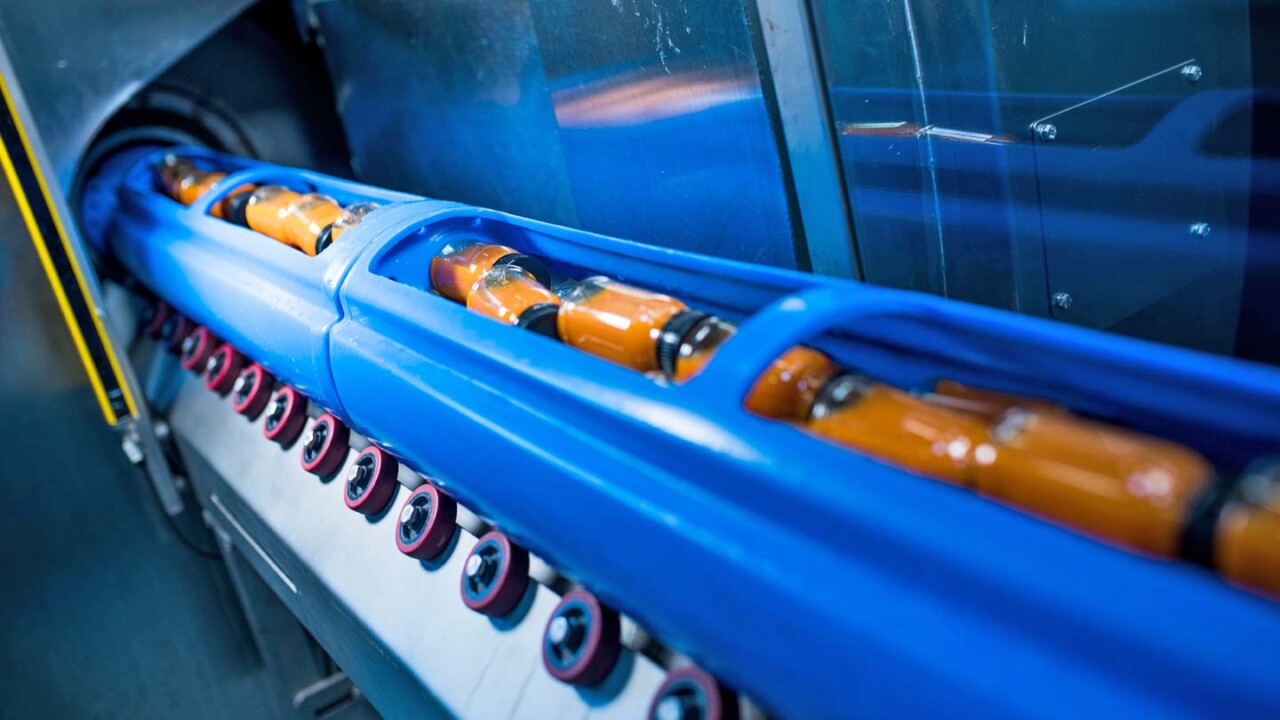
A particular focus is on the gentle, non-thermal inactivation of microorganisms (preservation) as well as on the physical structural modification of foods to optimize further processing. In doing so, the research also takes into account issues of food safety, quality, and shelf life, as well as aspects of process efficiency, scalability, energy efficiency, and environmental sustainability.
By combining technological development capabilities with in-depth, application-oriented consulting, the Advanced Research division facilitates targeted technology transfer from research to practical food production.
Our Research Methods
Gentle Preservation of Food and Animal Feed Using High-Energy Electrons
Electron beam (E-beam) technology is an innovative, non-thermal method for preserving food that ensures safety and a longer shelf life without any significant loss of quality. High-energy electrons from a linear accelerator reliably inactivate microorganisms without the use of radioactive sources; the process leaves no residues and is immediately radiation-free once the system is shut down.
E-beam can be applied to the product or to packaged finished products and is particularly suitable for fresh goods such as fruits, vegetables, spices, herbs, or grains. In addition to reducing bacterial growth, it can prevent pest infestation, delay post-harvest ripening, and inhibit germination. Furthermore, E-Beam is used for the sterilization of medical devices, the decontamination of packaging, and material modification, and is considered an efficient, versatile solution for modern production processes.
Light-based method for efficient surface disinfection
Light-based processes enable contact-free, energy-efficient methods for the microbial decontamination of surfaces, such as those on food, packaging, or equipment. Depending on the process and parameters, microorganisms can be effectively inactivated. At the same time, sensory properties can be specifically influenced, such as crust formation and browning, or the formation of certain vitamins.
UV-C light (200–280 nm) acts photochemically by being absorbed by DNA, thereby inhibiting replication and transcription. It is used, among other things, for surface disinfection as well as for air and water treatment, and can inactivate enzymes and preserve bioactive compounds in food. The DIL has a continuous UV-C system available that enables uniform treatment from three sides with variably adjustable lamp distance and treatment time, ensuring reproducible results under conditions relevant to food regulations.
Pulsed light (PL) operates with very short, high-energy pulses across a broad spectrum (180–1,100 nm) and combines photochemical and photothermal effects. This causes multifaceted damage to microorganisms, e.g., to DNA, cell walls, and proteins. The DIL test system delivers up to three pulses per second with 505 joules of pulse energy, with flexible adjustment of the distance, number, and interval of the pulses.
Infrared (IR) is primarily used for rapid surface heating and sensory enhancement, and—through the photothermal effect—also aids in the inactivation of bacteria and enzymes. The IR system at the DIL (18 kW) allows for variable settings of time and distance and is used, for example, for browning, roasting, and drying, as well as in combination with other processes.
Pulsed Electric Fields for Structural Modification and Preservation
Pulsed electric fields (PEF) are an innovative, non-thermal method for altering the structure of and inactivating microorganisms in food processing. Short, high-voltage pulses induce electroporation, selectively opening cell membranes and thereby offering advantages in extraction, texture modification, and preservation through energy-efficient processing—for example, for fruits, vegetables, and fruit juices.
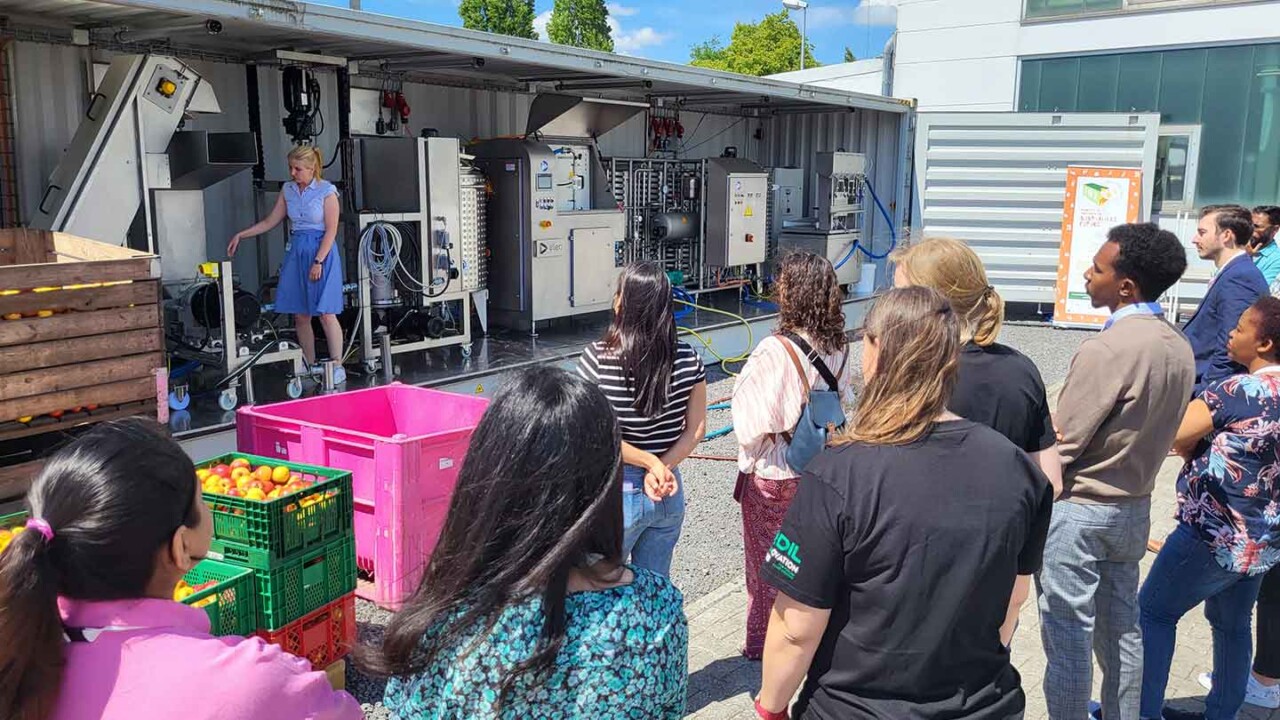
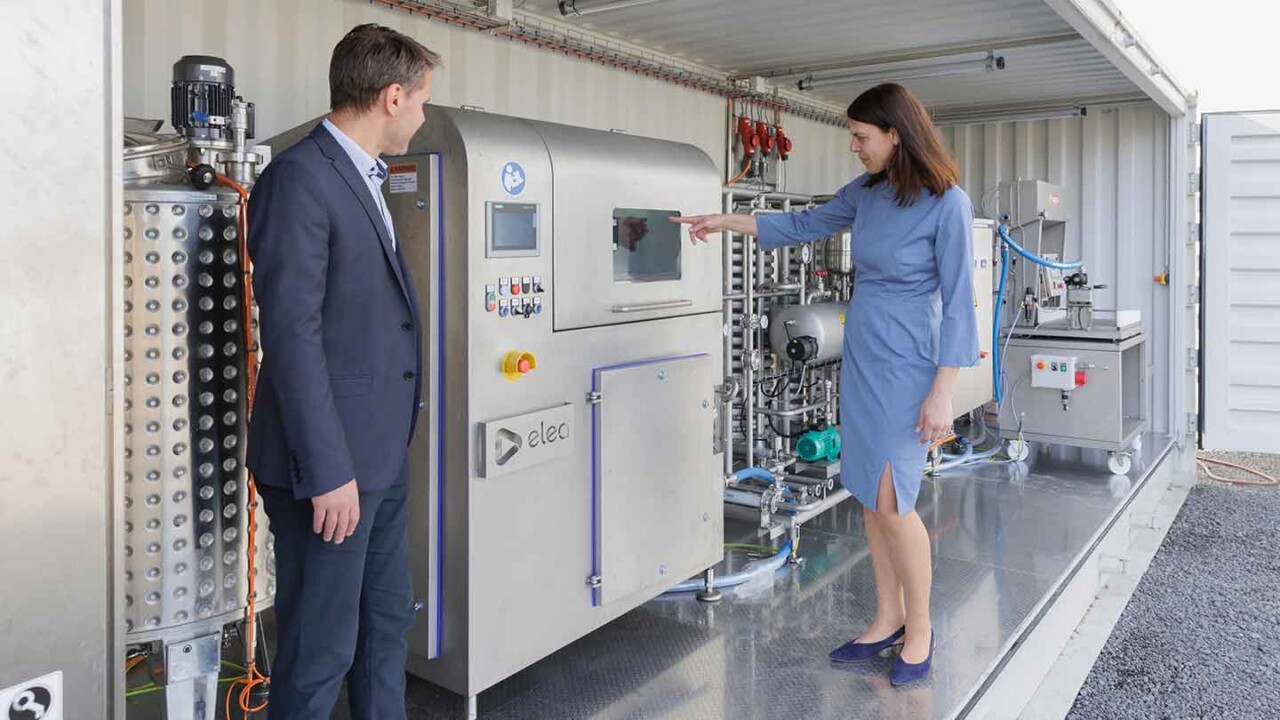
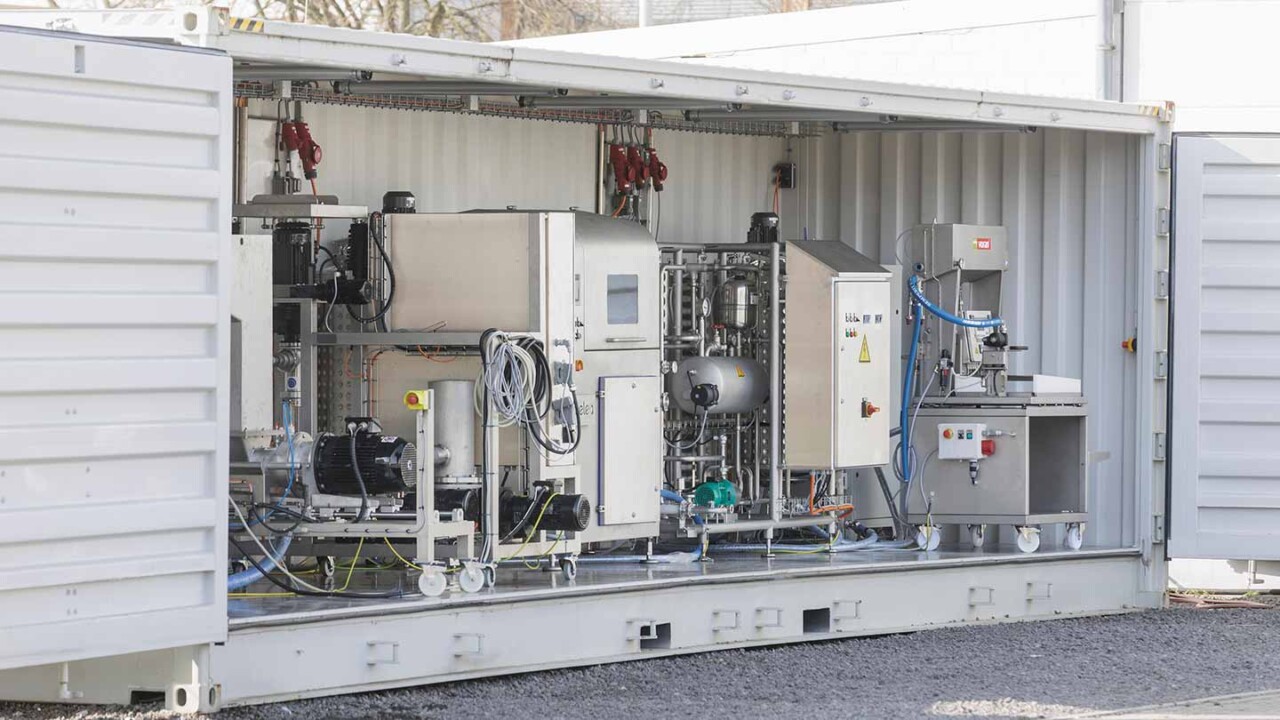
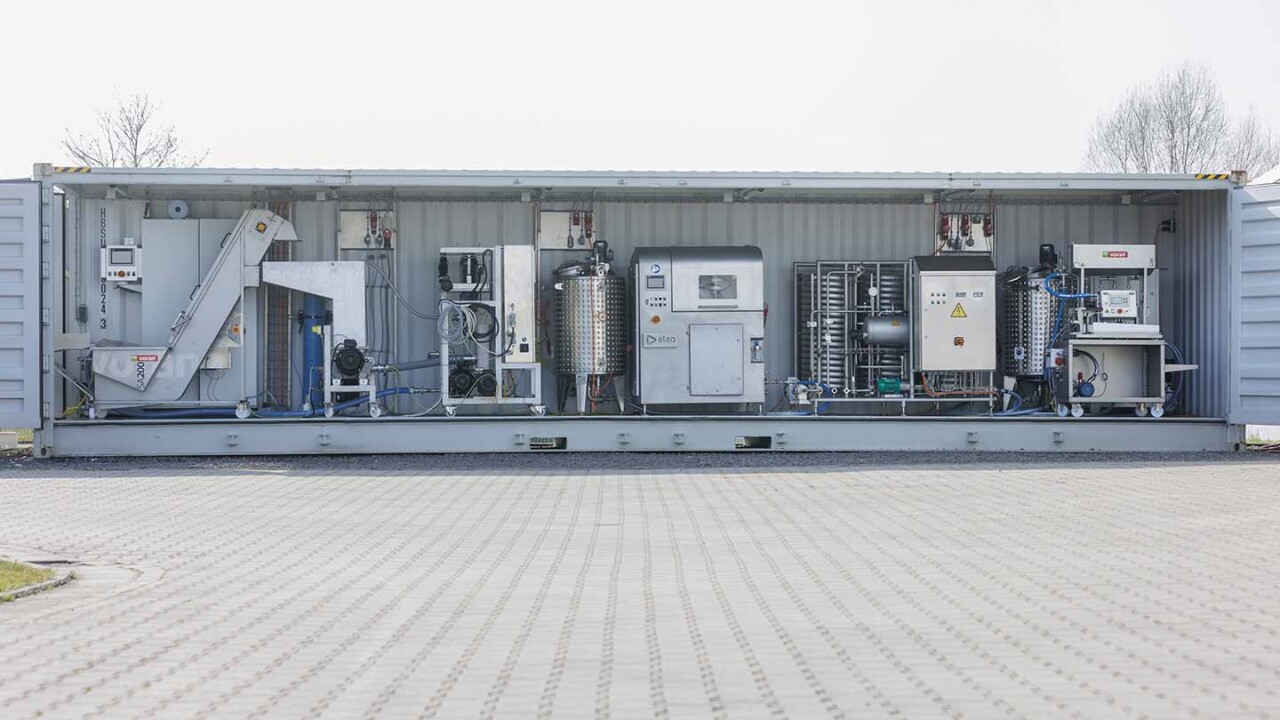
PEF is primarily used for structural modification—by softening tissue and improving mass and heat transfer—and for the inactivation of vegetative microbial cells without causing thermal damage to the product, particularly in liquid foods. The DIL has adapted the process for industrial applications; nearly 300 systems are in use worldwide, including in potato processing and for the preservation of liquid products. Further applications are being researched in collaboration with ELEA GmbH.
High-Pressure Center for HPP, UHPH, SWE, and Shock Waves
At the DIL’s High-Pressure Center, we assist food and ingredient manufacturers in evaluating and further developing pressure-based technologies. These include HPP, UHPH, supercritical and subcritical water extraction (SWE), and dynamic shock wave processes.
Our research explores how high pressures can be used to gently preserve food, selectively modify its structure, or develop new products and ingredients. Together with industry partners, we evaluate pressure-based technologies for various applications and develop scalable, product-specific solutions.
To this end, we have a fleet of food-grade equipment, including batch systems capable of operating at up to 6,000 bar and 120 °C, a 55-liter HPP system for packaged products, a continuous UHPH system (90 L/h at approx. 3,000 bar), systems for supercritical and subcritical water extraction, and a prototype for dynamic shock wave treatment. HPP is particularly suitable for heat-sensitive, packaged products, while UHPH uses pressure and shear forces to improve emulsions, functionalize ingredients, and selectively break down microorganisms. In addition, SWE is being researched as an environmentally friendly alternative to solvents for the extraction of bioactive substances.
Current Research Projects
| Projektbezeichnung | Projekttitel | Projektende |
|---|---|---|
| HePro² | Entwicklung eines physikalischen Prozesses für die Gewinnung, Aufbereitung und Charakterisierung von Bierhefeproteinen | 01.03.2027 |
| ZeroW | Systemische Innovationen auf dem Weg zu einer Lieferkette ohne Lebensmittelabfälle | 01.12.2025 |
| TRANSIT | Bildungsnetzwerk Nachhaltige Technologien | 01.02.2025 |
| LignoInsect | Den Kreislauf schließen durch nachhaltiges Recycling lignocellulosereicher organischer (Neben-)Produkte für die Insektenentwicklung und die Heimtierfutterproduktion | 01.12.2027 |
| LignoInsect | Closing the loop through sustainable recycling of lignocellulose-rich organic (by-)products for insect rearing and pet food production | 01.12.2027 |
| TRANSIT | Education Network for Sustainable Technologies | 01.02.2025 |
| ZeroW | Systemic Innovations Toward a Supply Chain Free of Food Waste | 01.12.2025 |
| HePro² | Development of a physical process for the extraction, purification, and characterization of brewer's yeast proteins | 01.03.2027 |