DIL German Institute of Food Technologies
Platform for Innovation
Knowledge for Superior Foods
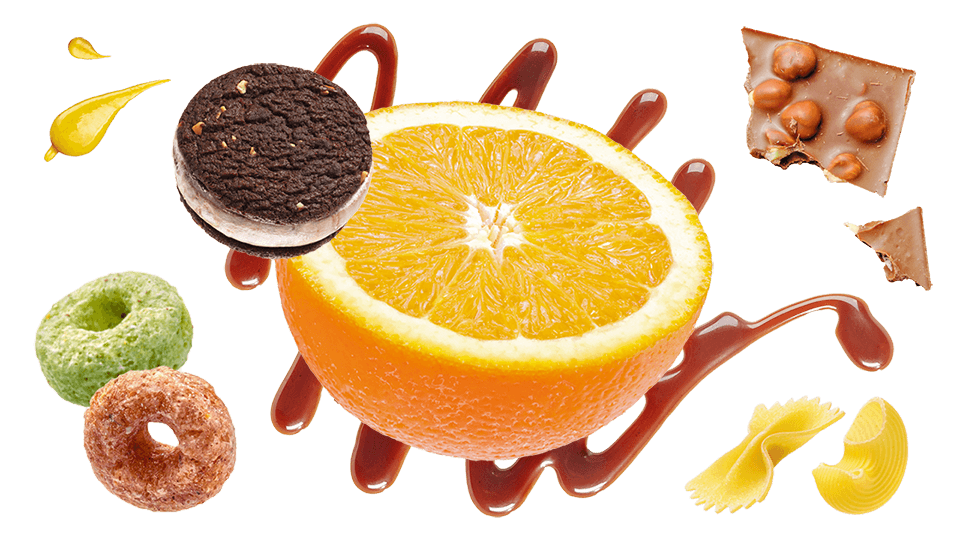
Since 1983, the DIL has been combining in-depth research expertise across the entire food value chain
The DIL (German Institute of Food Technologies) is a non-university, non-profit research institute that has served as a driver of innovation for the food industry since its founding in 1983. In Quakenbrück—at the heart of Lower Saxony’s food industry—an internationally networked institute has emerged over the past few decades, bringing together approximately 120 experts in food technology, food science, analytics, sustainability, and food data.
With over 150 member companies and strong partnerships with industry, research institutions, and universities, the DIL serves as a unique platform that closely links science and practice—always with a clear goal: to drive innovation for circular and resilient food systems.
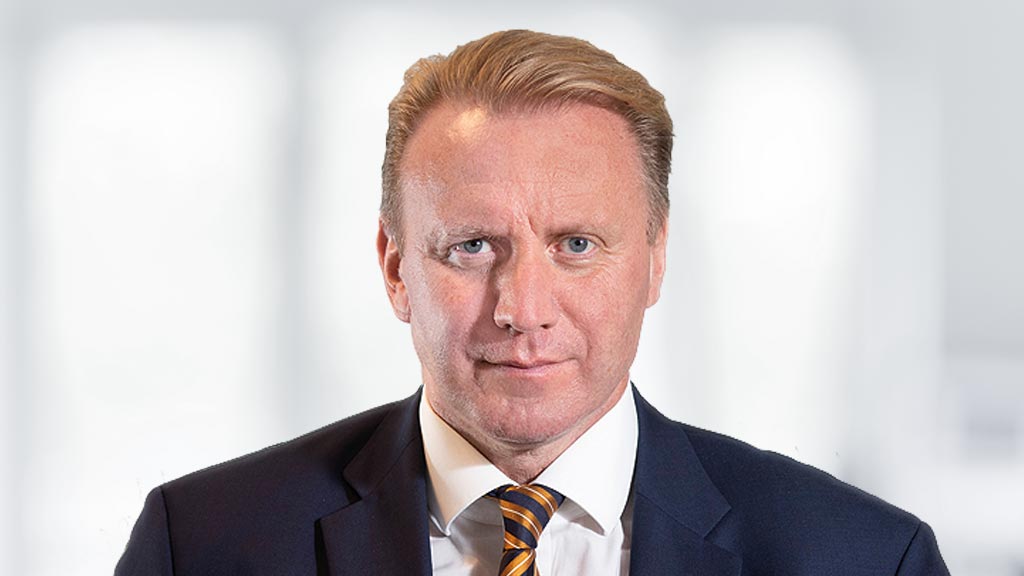
Dr. Volker Heinz
Institute Leadership
Dr. Volker Heinz has been a member of the DIL’s Executive Board in Quakenbrück since 2006 and is responsible for strategy, the institute’s academic profile, and its financial development.
Under his leadership, the DIL has further established itself as an internationally recognized research and development institute at the intersection of science and industrial practice. It places a particular emphasis on application-oriented research, technology transfer to the food industry, and the development of sustainable and innovative process and product solutions.
In addition to his role as institute director, Dr. Volker Heinz serves as managing director of DIL Technologie GmbH and DIL Engineering GmbH . The latter serves as the institute’s industrial implementation partner and transforms research findings into marketable technical solutions. This close integration of research and engineering consistently strengthens the transfer of technology into practical applications.
The Institute in Numbers

Experts
Research Departments

Member Companies
Our work covers a wide range of state-of-the-art food technologies
The focus is on innovative processes, products, and technologies that sustainably improve the quality, safety, and nutritional value of food. In doing so, we examine complex interrelationships along the entire value chain—from raw materials and ingredients through processing and structure to functionality and nutritional effects in food. Modern analytical methods and experimental research enable us to specifically understand, optimize, and further develop these processes.
Our research is conducted in close collaboration with industry partners, universities, and public funding agencies. In this way, we ensure that scientific findings are put to practical use and that new technologies are successfully implemented. With interdisciplinary teams and excellent infrastructure, we actively contribute to shaping sustainable food and nutrition systems for the future.
Our Research Departments
Structure & Workmanship
Sustainability
A Strong Partner to the Industry
The DIL combines in-depth research with practical application. Close collaboration with industrial partners enables rapid technology transfer—from the initial idea to a market-ready product. With state-of-the-art laboratories, technical facilities, mechanical engineering expertise, and digital platforms, the DIL has an infrastructure that spans the spectrum from basic research to industrial pilot production.
Our Strengths
- From product and process development to market launch
- Laboratories
- Pilot plants
- Testing Techniques
- From science, technology, analytics, and engineering
- With industry partners, universities, and colleges
- About DIL Innovation Hub
- Entrepreneurship Programs, Events, Workshops
At DIL, we combine academic expertise with practical experience to provide continuing education for professionals, executives, and students
Our offerings range from workshops, specialized seminars, meetings, and conferences to specialized continuing education programs for the food and feed industries, as well as academic and international teaching formats. These include the Compound Feed Seminar for professionals in the feed industry, the “Quality Management in Food and Feed” continuing education program for quality management specialists and executives, and the international master’s program in Food Process and Product Engineering (M.Sc. FPPE).
In addition, we participate in the International Summer University at Osnabrück University of Applied Sciences through our “Food Technologies” course, offering international students hands-on insights into modern food technologies. In addition to continuing education, the DIL also serves as a training organization and trains the next generation of professionals in various fields. You can find an overview of our apprenticeship programs at www.dil-ausbildung.de.

At DIL, we combine theory and practice to create continuing education programs that deepen knowledge, strengthen skills, and shape the future.
Want to learn more about our training and continuing education programs?