Biotechnology NGS
Next-Generation Sequencing in the Food Industry

NGS provides detailed DNA profiles thanks to precise detection
NGS can be used to reliably detect food microbiota, contamination, antibiotic resistance, and origin
The potential applications of NGS technology in the food industry are diverse. Using modern NGS technology, microbiomes can be characterized in detail through amplicon sequencing (16S, ITS, etc.) down to the genus or species level, or even down to the strain level using whole-genome shotgun sequencing. This enables the reliable tracking of contamination, pathogens, and antibiotic resistance throughout the entire value chain, as well as the precise characterization of food microbiota. A microbiome analysis—for example, of the gut—also supports animal welfare monitoring in livestock such as cattle, pigs, poultry, fish, or insects.
With deep sequencing, even fractions of less than 1% within a sample can be reliably identified. Furthermore, whole-genome sequencing, in combination with transcriptomics and complementary qPCR analyses, enables the comprehensive characterization of the genetic potential of starter cultures or fermentation microbiota with the goal of process optimization. Transposon mutagenesis analyses can also be used to decipher the functions of specific genes in biological processes or diseases.

NGS technology provides new insights into microbiomes and pathogens and enhances process optimization and authenticity verification.
Want to learn more about NGS technology?
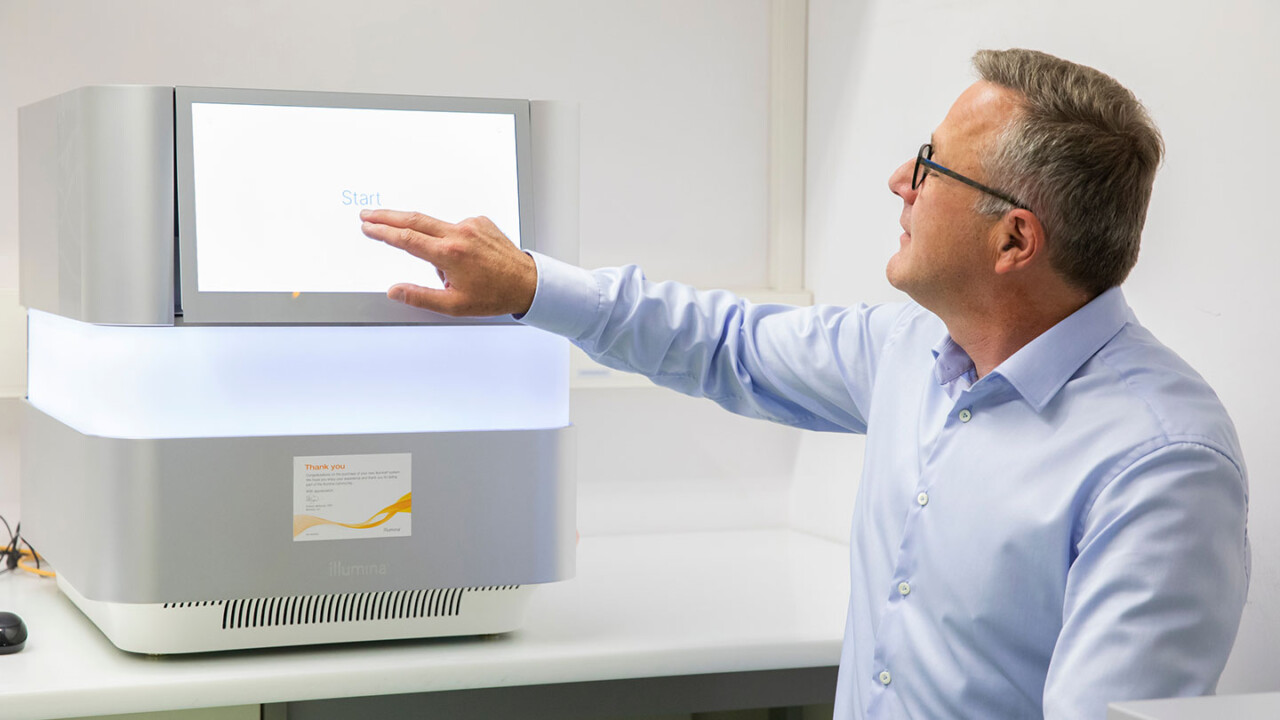
We verify the composition of complex products such as spice blends, as well as the authenticity of honey, olive oil, and seafood, by analyzing their entire DNA.
Another important application is verifying the authenticity of food products. Using non-targeted metabarcoding, the totality of animal, plant, and microbial DNA in a sample is analyzed to verify, for example, the composition of spice blends or the authenticity of honey, olive oil, or seafood. At the DIL, state-of-the-art sequencing platforms such as Illumina (MiSeq, NextSeq 2000) and Oxford Nanopore (ONT; MinION) are available for this purpose. Thanks to our extensive expertise in handling complex food matrices—from sample preparation to DNA isolation—as well as in-house bioinformatics analysis, each project receives individualized and customized support.
Our Service Description
-
Amplicon sequencing (16S, ITS, etc.) down to the genus or species level
- Whole-genome shotgun sequencing down to the strain level
- Tracking Contamination, Pathogens, and Antibiotic Resistance Throughout the Value Chain
-
Microbiome analyses (e.g., gut microbiome) to assess the welfare of farm animals
- Detection and quantification of concentrations below 1% within a sample
- Characterization of the Genetic Potential of Starter Cultures and Fermentation Microbiota Using WGS, Transcriptomics, and qPCR
- Transposon mutagenesis analyses to elucidate specific gene functions
- Non-targeted metabarcoding for verifying ingredients and authenticity (e.g., honey, olive oil, seafood, spices)
- Project support ranging from sample preparation and DNA isolation to in-house bioinformatics analysis (Illumina, Oxford Nanopore)