Projektstatus
Projektlaufzeit
Ansprechpartner
Abgeschlossen
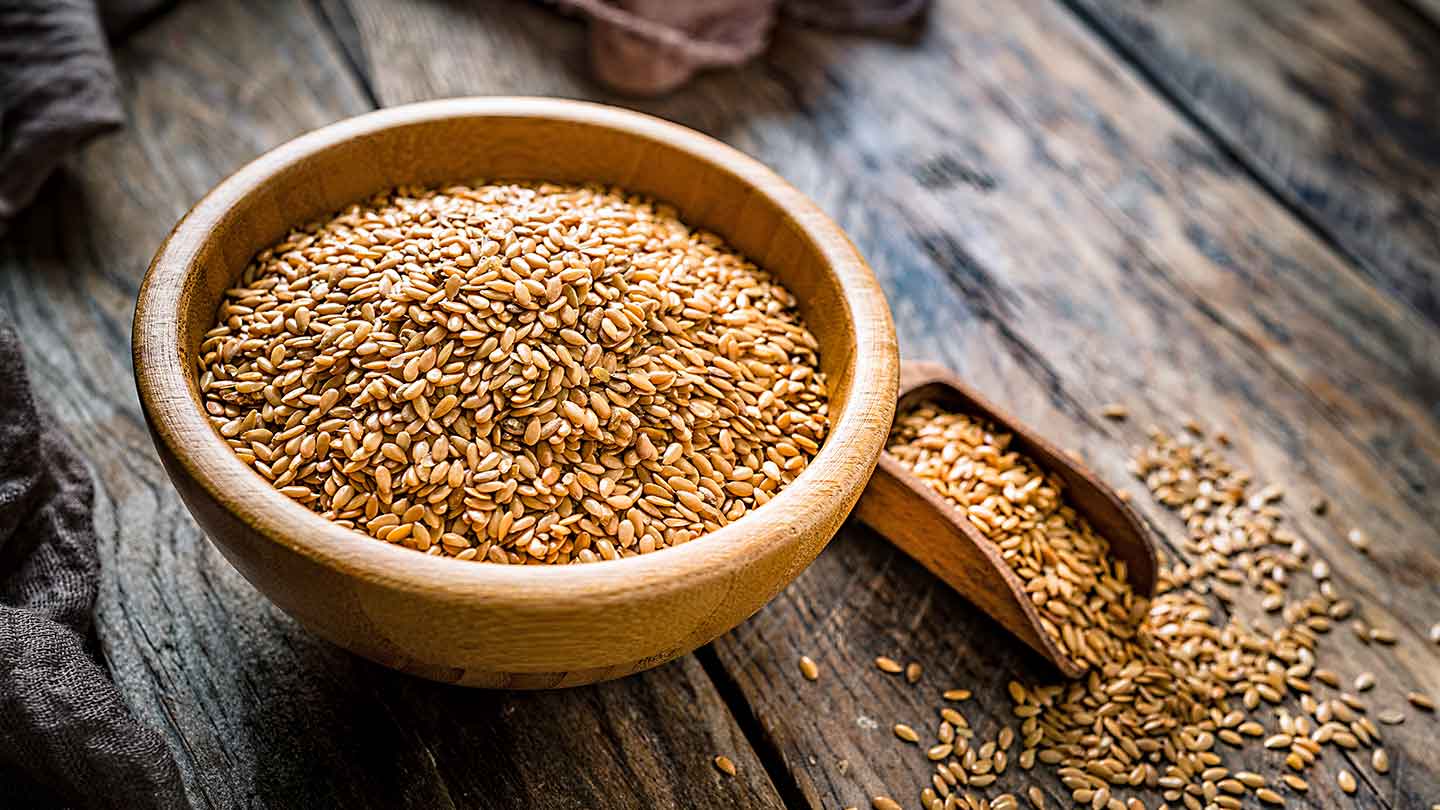
The LINOVIT research project focuses on analyzing quality factors throughout the entire flax value chain, including cultivation, oil extraction, and the processing of oilseed cake. Particular attention is paid to hydrocyanic acid, which can be released from cyanogenic glycosides. To make the oilseed cake suitable for human consumption, it is necessary to reduce the levels of toxic hydrocyanic acid glycosides.
In 2022, EU Regulation 2022/1364 established a new limit for hydrocyanic acid in flaxseed, including bound forms, at 150 mg/kg. However, the content of cyanogenic glycosides in flaxseed generally exceeds this limit by a significant margin. This leads to an accumulation of these glycosidic compounds in the oilseed meal, which has primarily been used in the animal feed industry to date. As part of this project, extrusion was investigated as a method for reducing cyanide in flaxseed meal. Prior to thermal treatment, a 30-minute incubation step at 30 °C was carried out to activate the enzymes present in the oilseed meal for the hydrolysis of the glycosidic bonds. The resulting hydrocyanic acid was then removed in a twin-screw extruder. The experiments showed a reduction in the HCN content in all samples to below 150 mg/kg. The next step will involve a sensory evaluation and product development using the treated flaxseed meal. The research project is being conducted in collaboration with the University of Bonn, which is investigating, among other things, the factors influencing flax cultivation, particularly with regard to the formation of hydrocyanic acid glycosides.


DIL German Institute of Food Technologies
Prof.-von-Klitzing-Str. 7
49610 Quakenbrück
+49 (0) 54 31 183 - 0
info@dil-ev.de
An Overview of Our Services
Consulting
Contract Manufacturing
Our Research at a Glance
Safety / Authenticity
Sustainability
Partnerships