Projektstatus
Projektlaufzeit
Ansprechpartner
Laufend
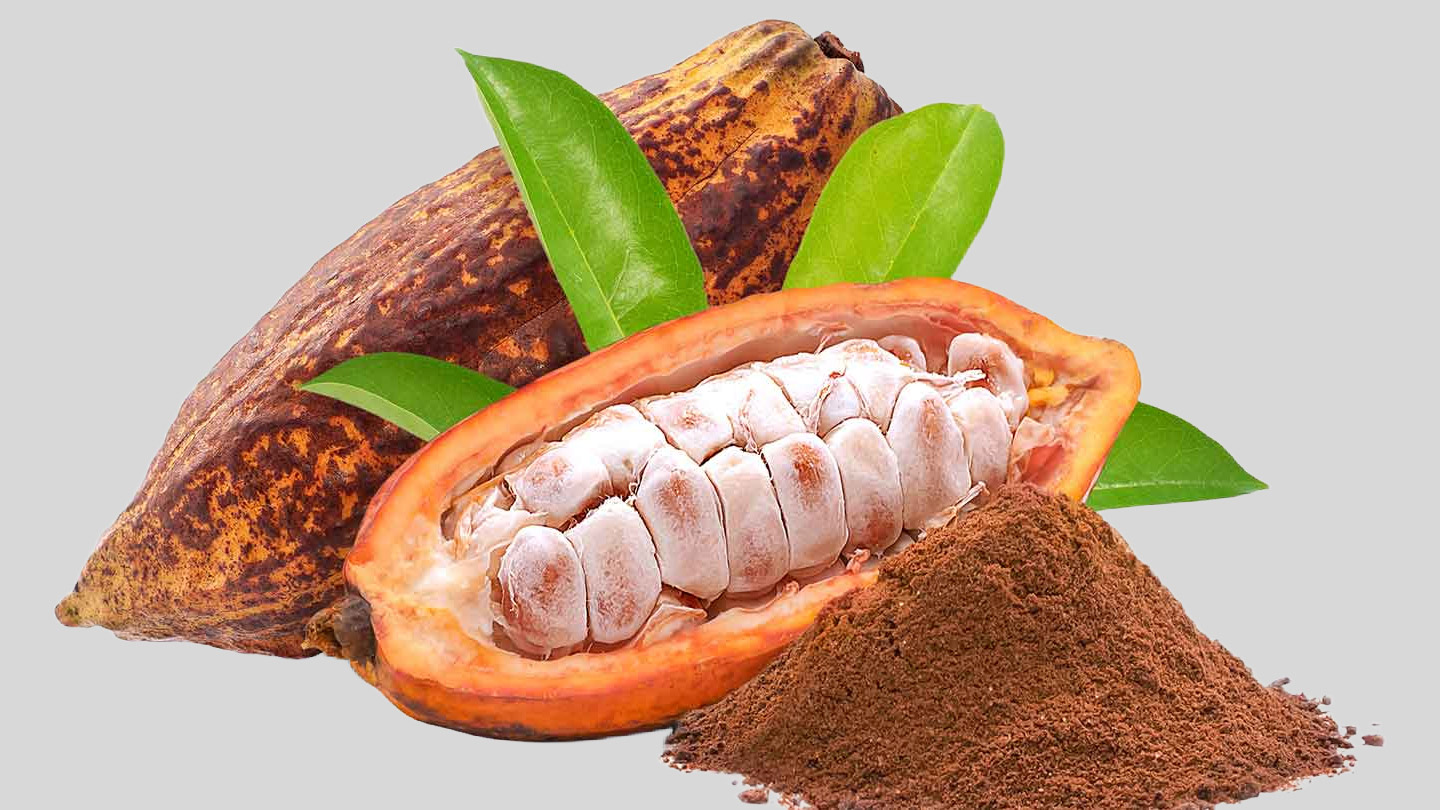
Chocolate is a safe food, but recent cases of contamination with Salmonella enterica have raised concerns about the survival mechanisms of this pathogen. Does the drying process of cocoa beans increase Salmonella’s resistance to decontamination by steam and to the roasting of cocoa beans? And which elements of Salmonella’s DNA help it survive these processes?
Although salmonella infections caused by chocolate are rare, recent cases of contamination have led to product recalls and raised concerns. Research is being conducted to determine how well salmonella survives the heat treatments typically used in chocolate production. By unraveling the role of the cocoa bean drying process and the genetic makeup of certain Salmonella strains in the development of heat tolerance, the researchers are attempting to improve the existing steps for decontaminating cocoa beans during chocolate production. This could involve adjusting key parameters such as temperature, duration, and moisture content during roasting and steam treatment. Ultimately, this project aims to improve food safety and protect consumers, while also securing the livelihoods of smaller players in the chocolate industry. The goal is to improve decontamination processes for cocoa beans in order to prevent future contamination and ensure consumer safety. This project is of particular importance to small and medium-sized chocolate manufacturers, as product recalls can not only damage their reputation but also threaten their very existence.


DIL German Institute of Food Technologies
Prof.-von-Klitzing-Str. 7
49610 Quakenbrück
+49 (0) 54 31 183 - 0
info@dil-ev.de
An Overview of Our Services
Consulting
Contract Manufacturing
Our Research at a Glance
Safety / Authenticity
Sustainability
Partnerships