Job Openings
Career Opportunities at DIL
The DIL offers diverse career paths
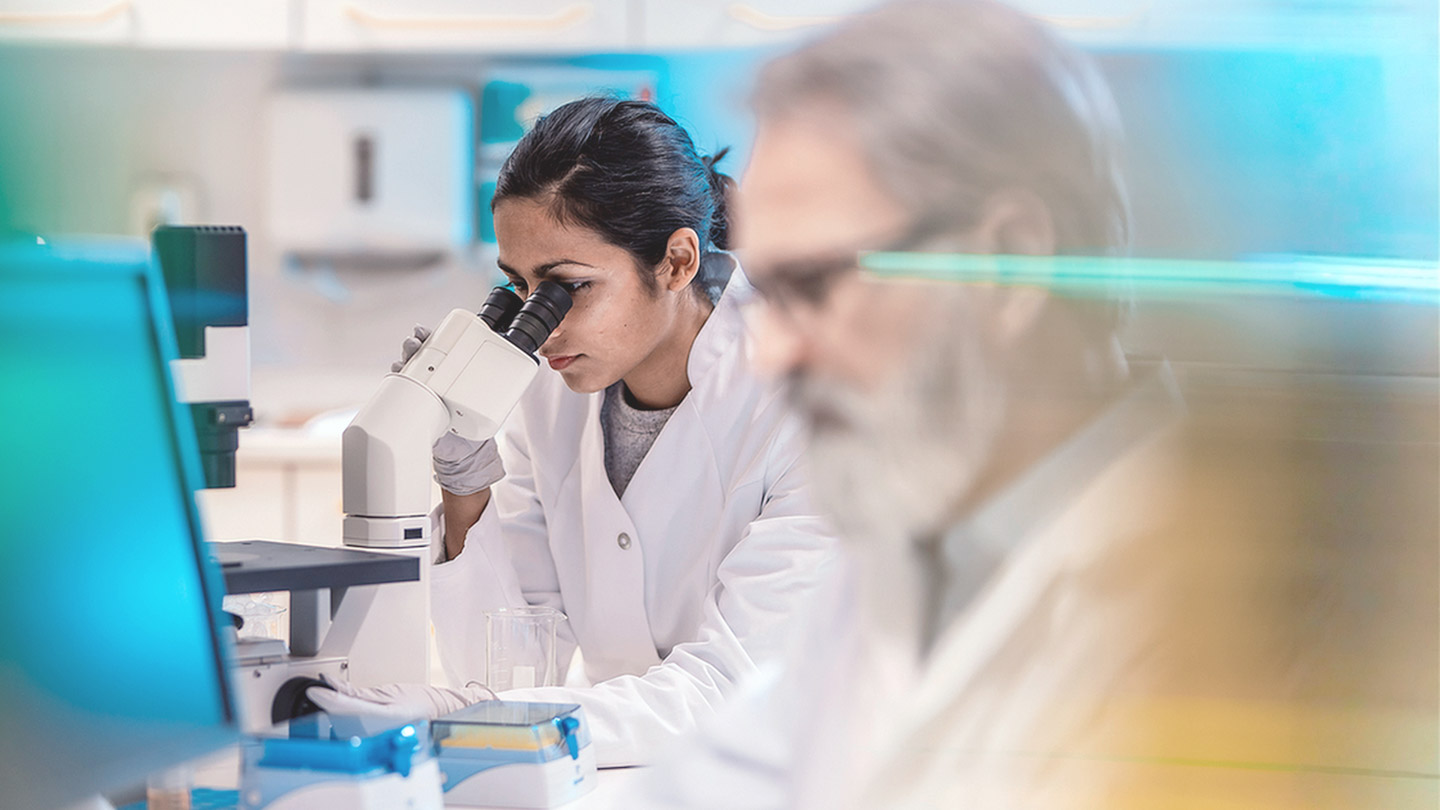
A dynamic work environment fosters personal responsibility, professional growth, and exciting research and industry projects
Working at the DIL (German Institute of Food Technology e.V.) means being part of an interdisciplinary team that combines research, innovation, and practical application. As an independent, application-oriented institute, we work together to shape the future of food—based on sound science, technologically advanced, and socially relevant.
The DIL offers a wide range of career paths for skilled professionals, early-career researchers, students, and technical and administrative staff. In a dynamic work environment, we enable independent work, professional development, and participation in exciting research and industry projects. Modern infrastructure, streamlined decision-making processes, and open cross-disciplinary collaboration create the ideal conditions for this.
Current Job Openings


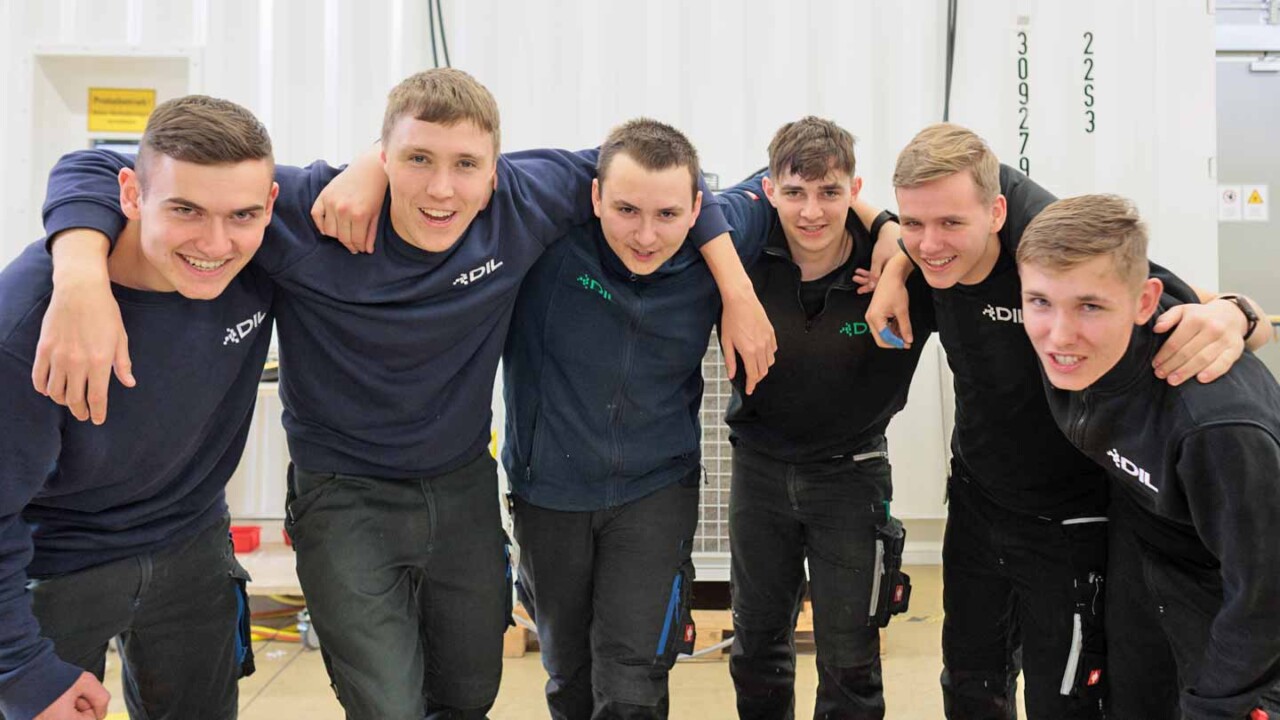
The DIL also serves as a training organization and provides training for young professionals in various fields.
You can find an overview of our training programs here:


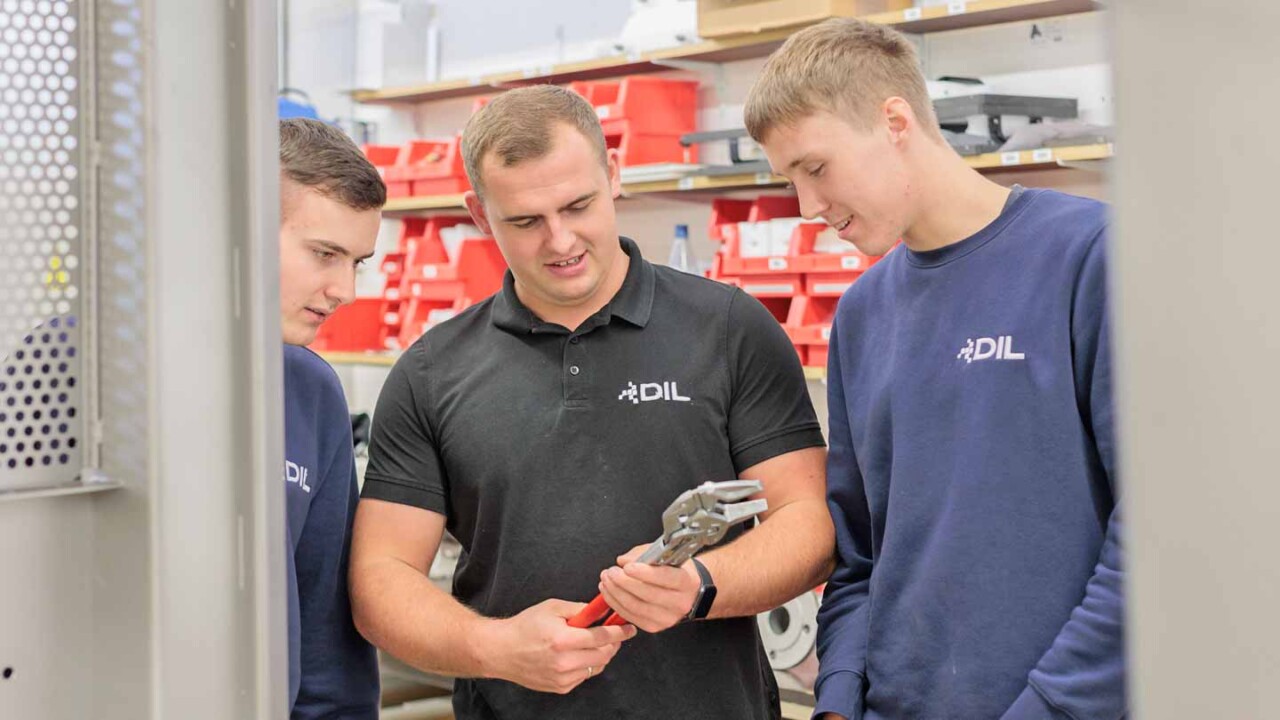

Submit a speculative application and help shape the future of food
As a non-university, non-profit research institute, we have been working on innovations for the food industry since 1983, bridging the gap between science and practice in an internationally networked environment. Whether it’s food technology, food science, analytics, sustainability, or food data, we’re always open to people who want to advance our areas of focus with their expertise and curiosity.
At DIL, you’ll work in interdisciplinary teams with approximately 120 experts and help shape practice-oriented research together with over 150 member companies and partners from industry, universities, and research institutions. You’ll contribute to innovative processes, products, and technologies across the entire value chain and make a tangible contribution to circular and resilient food systems. State-of-the-art analytics, experimental research, and an excellent infrastructure provide the ideal conditions for understanding and optimizing complex interrelationships and putting new solutions into practice.