Projektstatus
Projektlaufzeit
Ansprechpartner
Abgeschlossen
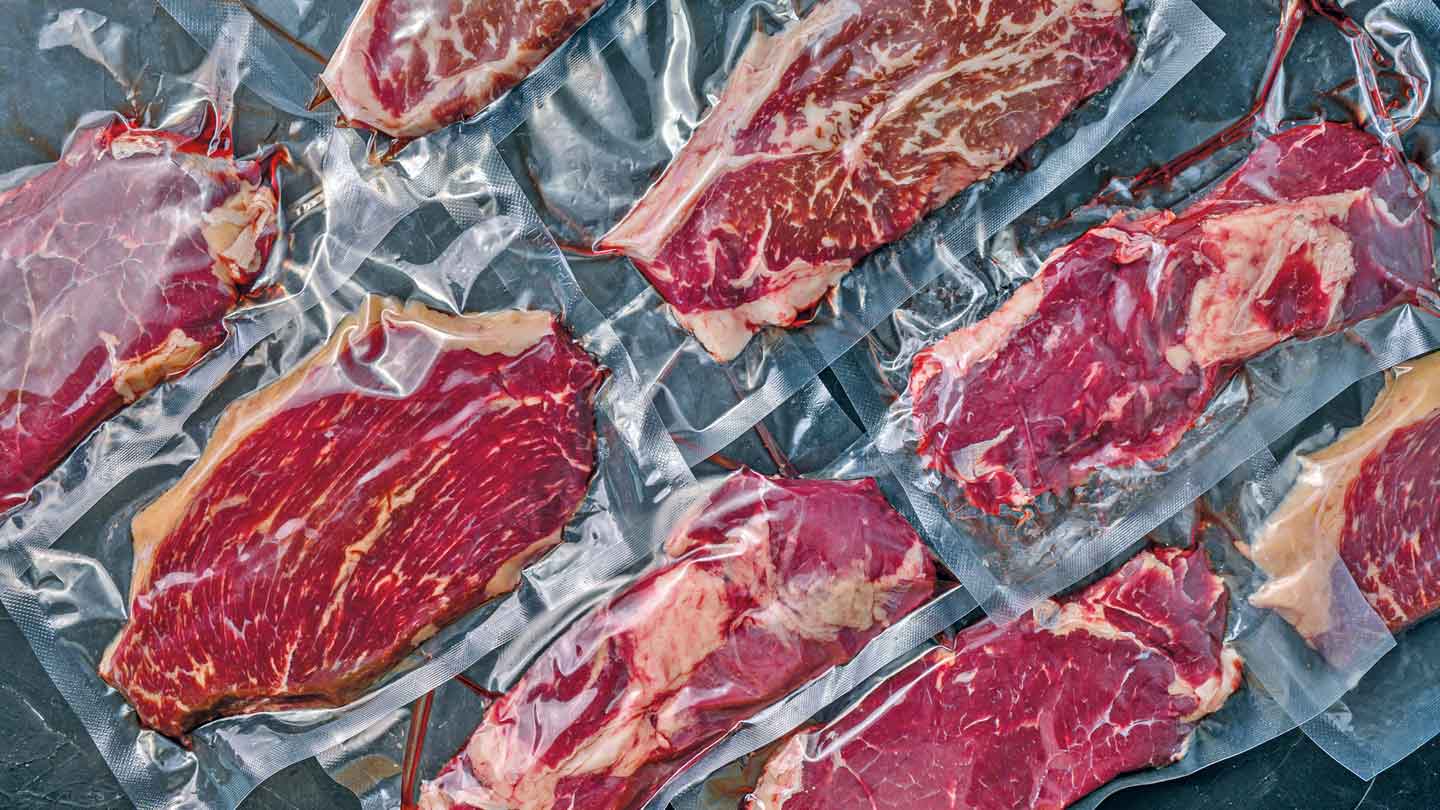
Vacuum-aged beef sometimes exhibits discoloration—which is partially reversible—during the first seven days. The project is evaluating optical and chemical methods to distinguish discolored meat from normal-looking meat and to identify the causes. At the slaughterhouse, pH and muscle temperature are measured; origin, feeding, and stress factors are documented.
It is currently believed that the causes may lie in the microbiological contamination of the meat. For this reason, Next-Generation Sequencing (NGS) was used to identify microorganisms in discolored meat. This is because various postmortem microbiological processes can affect the sensory properties of the meat in different ways. It is important to emphasize that discoloration of vacuum-packed meat does not occur regularly and that not all muscles are affected. So far, it has been shown that low temperatures and heavy rain before and during slaughter have a significant impact on meat color and can lead to microbiological changes in the meat. This has already been described in the literature. To investigate the origin of the microflora, data on feed composition, genetics, origin, and the transport conditions to which the animals were exposed are also collected and analyzed for correlations with the microflora.



DIL German Institute of Food Technologies
Prof.-von-Klitzing-Str. 7
49610 Quakenbrück
+49 (0) 54 31 183 - 0
info@dil-ev.de
An Overview of Our Services
Consulting
Contract Manufacturing
Our Research at a Glance
Safety / Authenticity
Sustainability
Partnerships