Projektstatus
Projektlaufzeit
Ansprechpartner
Abgeschlossen
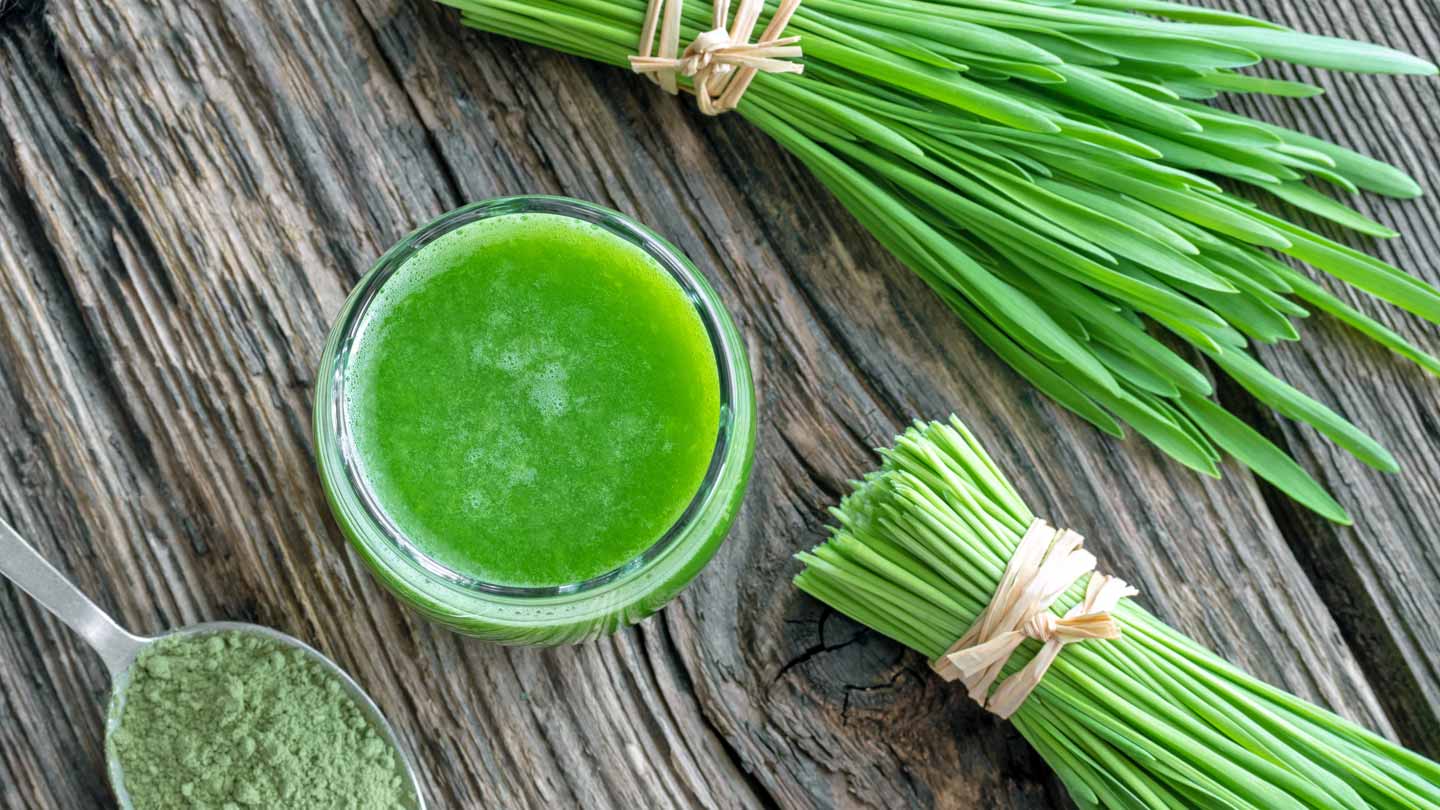
In light of climate change, population growth, and food shortages, efficient land use is becoming increasingly important. In Germany, about 70% of arable land is used for animal feed; ryegrass remains an untapped source of protein. Techno-functional grass protein derived from grass sap could reduce livestock farming and increase protein efficiency from 10% to as much as 40%. The project optimizes isolation processes for yield, quality, and scalability to enable cost-effective implementation.
The project is developing and optimizing a process for producing high-quality, techno-functional grass protein for the food industry. The goals are to achieve an 80% protein content, improved foaming, emulsification, and gelling properties, as well as a Technology Readiness Level of 6–7 as a basis for industrial implementation, upscaling, and economic feasibility assessment. Since no marketable grass protein processes with over 50% protein currently exist, the project addresses protein losses caused by enzymatic degradation and interactions with phytochemicals. In particular, polyphenol oxidation—which causes grass juice to brown and impairs its functionality—is controlled using innovative strategies. In a pilot plant, juice extraction under nitrogen, pH adjustment, and the addition of antioxidants are combined with the enzymatic removal of interfering polysaccharides, optimized solid-liquid separation, and spray drying. Accompanying analytical tests assess purity, yield, and technological suitability. The result is a storage-stable protein isolate that can be used as a sustainable alternative to soy and peas.



DIL German Institute of Food Technologies
Prof.-von-Klitzing-Str. 7
49610 Quakenbrück
+49 (0) 54 31 183 - 0
info@dil-ev.de
An Overview of Our Services
Consulting
Contract Manufacturing
Our Research at a Glance
Safety / Authenticity
Sustainability
Partnerships