Projektstatus
Projektlaufzeit
Ansprechpartner
Laufend
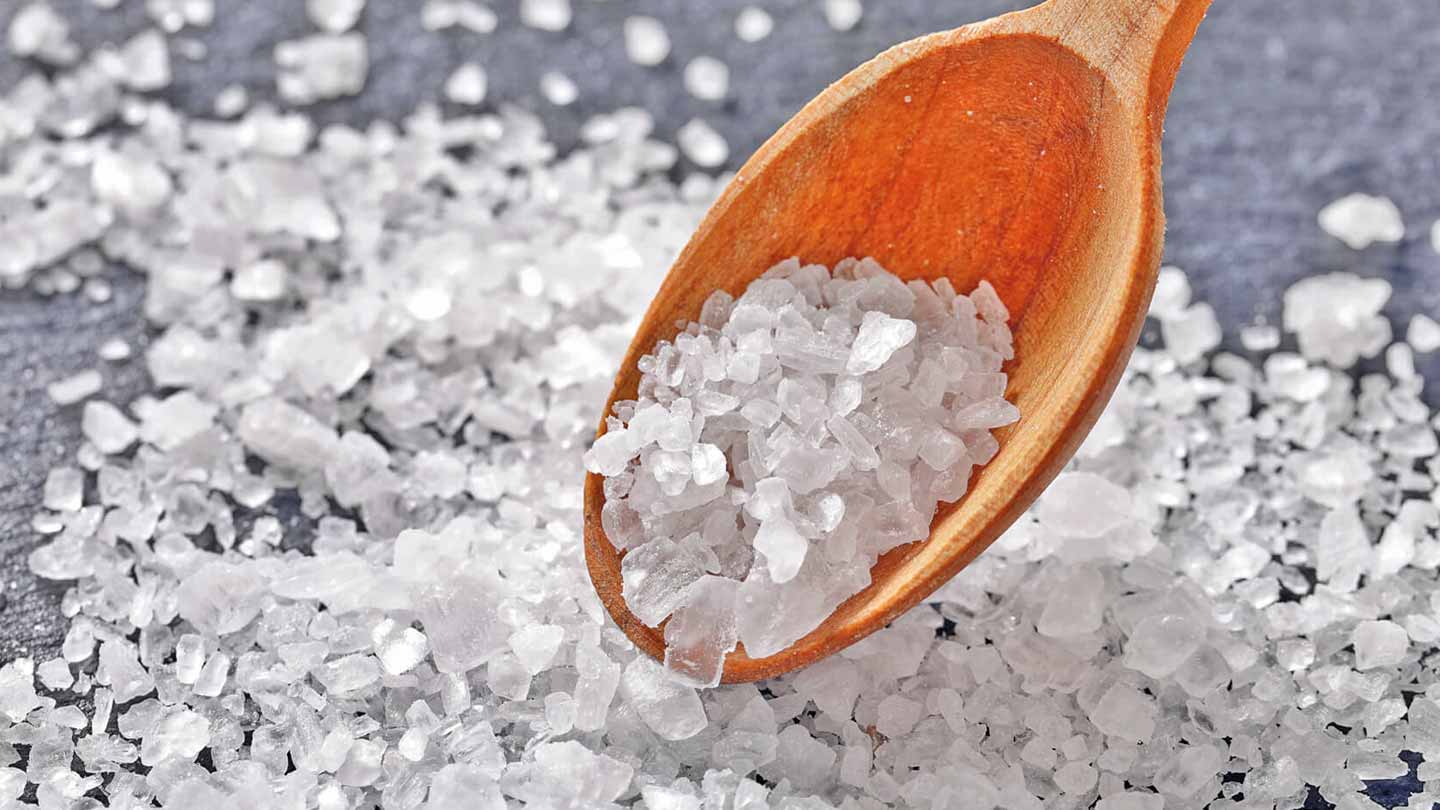
Efforts to reduce table salt (NaCl) and nitrite in meat products are becoming increasingly important in the food industry due to their adverse health effects; however, these efforts are subject to limitations that have not yet been sufficiently characterized in terms of microbial product safety and spoilage. The goal of the project is to generate reliable scientific data on the shelf life and product safety of fermented raw sausages and cooked ham with reduced salt and nitrite levels.
As part of the project, the development of spoilage microbiota during the storage of salt- and nitrite-reduced meat products manufactured under industrial conditions is being monitored using culture-based methods. In addition to culture-based methods, next-generation sequencing is used to detect changes in microbiota diversity and subpopulations down to the species level. Relevant indicator bacteria are isolated from dominant populations and used in challenge tests to characterize their growth kinetics in salt- and nitrite-reduced raw sausages and cooked ham. Quantification methods for these indicator bacteria are also being developed for this purpose. In addition, challenge tests are conducted with Clostridium sporogenes as a surrogate for C. botulinum, as well as with Listeria monocytogenes, to evaluate the effects of the reduction on pathogens. The results support the determination of the best-by date and enable a reliable assessment of product safety.



DIL German Institute of Food Technologies
Prof.-von-Klitzing-Str. 7
49610 Quakenbrück
+49 (0) 54 31 183 - 0
info@dil-ev.de
An Overview of Our Services
Consulting
Contract Manufacturing
Our Research at a Glance
Safety / Authenticity
Sustainability
Partnerships